Introduction
When I first started investing more than ten years ago, index funds were mostly something seasoned investors chatted about. I was curious back then but definitely careful. Over time, though, I’ve watched these straightforward, no-fuss funds become the go-to choice for building wealth steadily — including for myself. What I really appreciated early on was how index funds give you a slice of the whole market without the headache of picking individual stocks. This guide is all about how to get started with index funds, sharing what I’ve learned through real investing, market shifts, and hands-on experience. Whether you’re just starting out or aiming for long-term growth, I hope this helps you invest smarter and with more confidence.
What Are Index Funds?
Simply put, index funds are mutual funds or ETFs that track a specific market index like the S & P 500, Nifty 50, or NASDAQ 100. Instead of trying to beat the market by picking stocks one by one, these funds try to copy the index exactly. That means lower fees, less buying and selling, and a more balanced mix of investments. From my own experience and watching markets over the years, this straightforward approach usually gives you steadier returns that stick close to how the market’s doing overall.
From what I've seen through various market ups and downs since 2010, index funds usually come out ahead of most active funds over the long haul — especially once you factor in fees. Index funds typically charge around 0.1% to 0.3%, whereas active funds often take a chunk of 1% or more. Over 10 to 15 years, that gap adds up big time. For example, if you invested ₹10 lakh, the savings in fees alone could mean hundreds of thousands of rupees more in your pocket down the road.
Why It’s Worth Considering
There are plenty of reasons I've stuck with index funds since I first started investing. They’re straightforward, keep costs low, and tend to deliver steady results over time. Plus, they take the guesswork out of picking winners, which is a relief on those days when the market feels like a rollercoaster.
- Low cost: You’re usually paying just 0.1% to 0.3% annually. That means for every ₹1 lakh invested, fees are roughly ₹100 to ₹300 per year. Over time, savings on fees compound advantageously.
- Diversification: Buying an index fund like the Nifty 50 automatically gives you exposure to 50 large companies across sectors instead of relying on the success of a few individual stocks. This reduces single-stock risk and volatility.
- Transparency: Index funds hold the stocks tracked by a known index, so you always know where your money is going. You’re not left guessing the fund manager’s moves.
- Simplicity: No complicated stock picking or guesswork. You invest, and the fund follows the market.
- Consistency: Historically, broad market indexes trend upwards over the long term, despite periodic downturns. For example, the Sensex delivered an average annual return of about 12% over the last 20 years.
For me, these perks really stood out because I wasn’t keen on checking my investments every single day. I liked the idea of a set-it-and-forget-it approach that rides along with the overall market trends. That said, index funds aren’t some kind of magic fix — you still need to be aware of risks like market ups and downs and occasional tracking errors that can affect returns.
How to Get Started
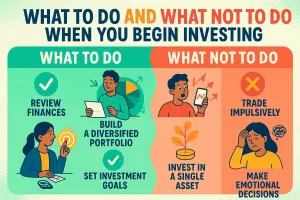
Getting started with index funds is pretty simple, but it helps to have a clear plan first. I usually recommend asking yourself: What’s the goal here? Are you saving for retirement a couple of decades away? Or maybe your kid’s college expenses? Or even putting together a down payment on a house in the next five to seven years? Having that timeline in mind makes picking the right fund way easier.
Once you’ve figured out your goal, the next step is to decide how much you can comfortably set aside without needing it for at least three to five years — that part’s really important. For instance, if you’ve already got an emergency fund of ₹50,000 saved up, you might consider putting ₹10,000 a month into a Systematic Investment Plan (SIP). It’s a steady way to build your investment without stressing over day-to-day market ups and downs.
After that, think about whether you want to invest in index mutual funds or ETFs. Mutual funds are pretty straightforward — you can start a SIP with as little as ₹500 a month, and you don’t need to worry about trading stocks every day. ETFs, on the other hand, are traded on stock exchanges just like individual stocks, using apps like Zerodha or Groww. They give you more control to buy and sell whenever you want, but keep in mind, each trade might cost you ₹20 to ₹50 in brokerage fees.
If you’re curious to learn more, you might want to check out “Beginner’s Guide to Building an Investment Portfolio.” It breaks down how to set goals that actually work for you and explains how to balance risk when you’re starting out with index funds.
How I Approach It: A Practical Walkthrough
When I first got started, I tackled it one step at a time — and over the years, I’ve tweaked and improved my method to make things smoother and more effective. Here’s how I usually do it:
- Choose your preferred index: Popular indexes include the S & P 500 for global US exposure, Nifty 50 or Sensex for India, or Total Stock Market indexes for broader coverage. I chose the Nifty 50 index fund initially because I wanted exposure to India’s blue-chip companies.
- Select an investment vehicle: Decide on mutual funds or ETFs depending on your trading comfort and cost considerations. Mutual funds are great for steady SIPs; ETFs suit traders who want to time investments or make lump-sum buys.
- Open an investment account: You’ll need a Demat account and a linked trading account on platforms like Zerodha, Groww, or HDFC Securities. These platforms usually have low account opening charges (around ₹300-₹500).
- Fund your account: Transfer at least ₹10,000 or your chosen initial investment amount. For SIPs, you can set up autopayments for convenience.
- Place your order: For mutual funds, buy units via your platform’s mutual fund section. For ETFs, place a market or limit order during trading hours, typically between 9:15 AM to 3:30 PM.
- Monitor periodically: Review your portfolio annually or biannually. Resist reacting to short-term market swings — I’ve learned this the hard way during 2020's volatile months!
The Essential Tools and Platforms I Use
From what I’ve seen, choosing the right brokerage and having the right tools on hand really changed the game for me.
- Brokerage platform: Using Zerodha has been convenient for ETFs due to low brokerage fees (₹20 per trade or 0.03%). For mutual funds, I used Groww and HDFC Securities, both of which have user-friendly apps and don’t charge extra for direct mutual fund purchases.
- Retirement accounts: If tax efficiency matters to you, consider investing through your Public Provident Fund or National Pension System for long-term benefits. Some platforms now allow SIP investments using your NPS account.
- Research tools: Always check fund fact sheets, expense ratios, and historical performance before investing. Platforms like Moneycontrol, Value Research Online, and Economic Times Markets offer detailed fund comparatives. I recommend reviewing expense ratios carefully; even 0.1% difference translates to ₹1,000 annually on ₹1 lakh invested.
My Go-To Tips
After managing index funds for quite a few years, these are the tips I keep coming back to:
- Diversify across indexes: I spread investments between the Nifty 50 and an international index fund for US stocks (like an S & P 500 ETF). This broadens exposure and smooths regional market downturns. Limitation: Too many funds can complicate portfolio tracking.
- Watch fees vigilantly: I found that even a 0.2% higher expense ratio can cost ₹2,000 per year on ₹10 lakhs invested. Always read the fine print but don’t get stuck trying to find the lowest fee fund endlessly — sometimes service and platform usability matter more.
- Use dollar-cost averaging: Regular SIPs, say ₹10,000 monthly, help smooth out market volatility effects versus lump-sum investing. Don’t expect profits with every purchase, but overall it reduces timing risk.
- Stay disciplined during downturns: I’m sure you know the feeling when Sensex dropped nearly 40% in early 2020. I remind myself that markets typically bounce back over 3-5 years, so I resisted selling despite the panic. Limitation: Emotional control is easier said than done.
- Rebalance yearly: Check your allocations annually to maintain your risk profile. For example, if equities grow too much beyond your target 70% allocation, sell a bit to move back to balance. But be mindful about transaction taxes and brokerage costs.
- Ignore short-term noise: Index funds aren't for fast profits. They reward patience and discipline. If you want high volatility and quick trade opportunities, look elsewhere. Limitation: Slow gratification tests some investors’ patience.
- Use tax-advantaged accounts: Maximize investments in your Employee Provident Fund (EPF), Public Provident Fund (PPF), or Equity Linked Savings Schemes (ELSS). These provide tax breaks that help net returns. Penalties apply for early exits, so plan accordingly.
Mistakes to Watch Out For
From chatting with plenty of fellow investors, I’ve noticed a few common mistakes that tend to trip people up more often than not:
- Chasing “hot” sectors or trendy themes instead of sticking with diversified index funds. I made this mistake once and ended up with higher volatility — robbing me of sleep!
- Ignoring fund fees and hidden charges, which chip away at returns. It’s amazing how easily this money slips away unnoticed.
- Attempting to time the market by buying and selling based on news cycles. Trust me, even professionals struggle with that.
- Neglecting periodic portfolio reviews and letting allocations drift. This often increases risk without your awareness.
- Confusing ETFs and mutual funds: ETFs trade like stocks and can incur brokerage fees, while mutual funds usually have minimum investment requirements and no brokerage but may charge exit loads.
Risk Considerations
You might think index funds are a safe bet, but they’re not completely risk-free. Sure, they protect you from the fallout of a single stock tanking, but the whole market can still drag them down. Take the crashes in 2008 or the early months of 2020 — those funds dropped about 30 to 40 percent in value, just riding the market’s wild swings.
One thing to watch out for is tracking error — the small gap between a fund’s return and the benchmark it’s trying to match. Usually, it’s just a tiny difference, often less than 0.1%, caused by things like fees or how the fund is managed. It might seem minor, but it can add up over time, so it’s worth keeping in mind.
Another risk comes from having too much focus on one sector. Take the Nifty 50 or Nasdaq 100: both lean heavily on tech stocks. If the tech world hits a rough patch, the whole index can take a hit. That’s why it’s smart to mix things up by adding funds that cover other industries or even international markets.
Taxes and Legal Stuff
Taxes are something you really need to keep in mind. Index mutual funds usually pass on capital gains, but not as often as actively managed funds do. ETFs, on the other hand, are generally more tax-friendly thanks to how they're structured, though you might end up paying brokerage fees whenever you trade.
If you're selling funds outside of retirement accounts, be ready to face capital gains tax. Short-term gains — that's if you've held the investment for less than a year — are taxed at your regular income tax rate. But if you’ve held the funds for over a year, long-term capital gains kick in, which means you pay 10% tax only on gains above ₹1 lakh for equity investments. So, holding on for the long haul usually means less tax.
Investing through tax-friendly options like the Public Provident Fund, National Pension System, or Equity Linked Savings Scheme can help you delay or avoid some taxes. Just keep in mind, these accounts usually have stricter rules when it comes to withdrawing your money.
Who Might Want to Think Twice
Index funds aren’t the right choice for everyone. If you’re the type who enjoys hunting down fast-growing stocks or likes to keep a tight grip on a small, focused portfolio, index funds can feel a bit too laid-back or slow-moving.
They can also be frustrating if you’re looking for quick wins or want to actively protect your investments when the market takes a dive. Because index funds simply mirror the entire market index without picking and choosing, they don’t adjust based on changes in the economy or how individual companies are performing.
At the end of the day, some investors get impatient — they want to see their money moving every single day. But with index funds, it’s a bit different. They work best if you’re willing to stick with them over the long haul. Historically, those who show patience tend to reap the rewards.
FAQs
- Can I lose money in index funds?
Sure, index funds aren't completely safe; like any market investment, they can take a hit during downturns, sometimes quite sharply. So, it’s important to remember that risk is always in the mix.
- What’s the difference between indexing and active management?
Index funds simply follow a market index without trying to outsmart it — they aim to mirror its returns. On the flip side, active management tries to beat the market by picking individual stocks and timing trades, which usually means paying higher fees.
- Are ETFs better than index mutual funds?
ETFs usually come with lower expense ratios and let you trade throughout the day, but watch out for brokerage fees that can add up. Mutual funds, on the other hand, often have minimum investment requirements but don’t charge brokerage, so it’s a trade-off depending on how you like to invest.
- How much should I invest initially?
Just start with an amount that feels comfortable for you. Many platforms let you set up SIPs starting from just ₹500, while lump sums usually require anywhere between ₹5,000 and ₹10,000, depending on the fund you pick.
- How often should I review my index fund investments?
A good rule of thumb is to review your investments once or twice a year — unless, of course, something big shakes up the market or your goals change. That way, you stay on track without sweating every little market move.
- Can I invest in index funds through my employer’s 401(k)?
In India, quite a few employer plans include options like NPS or ELSS that follow market indexes. It’s worth checking the details of your plan to see which funds are on offer.
- Do index funds pay dividends?
Yep, these funds often pay out dividends collected from the stocks they hold. Usually, you get to decide whether to reinvest those dividends or take them as cash.
Conclusion
Index funds are a straightforward, low-cost way to spread your investments across a wide range of stocks. From what I’ve seen and tested myself, the key to success is having a clear plan, sticking with it through ups and downs, and knowing what you’re getting into. That’s what really makes a difference over the long run.
Whether you’re just starting out or looking to fine-tune your investment approach, index funds are definitely worth considering for your portfolio. If you’re curious to learn more about smart investing moves, check out my article on how asset allocation can help build your wealth over time.
Thinking about jumping in? Subscribe to my newsletter for straightforward, practical investing tips, and I’d love to hear about your first index fund purchase — so be sure to share your story with me on social!
If this topic interests you, you may also find this useful: https://www.growzera.com/blog/what-is-blockchain-a-simple-explanation-for-non-techies