
Introduction
Over the last ten years, managing my own investment portfolio and advising others has shown me just how much the right stock market strategies can influence long-term wealth. Early on, I realized that knowing the ins and outs of building and managing a portfolio isn’t something reserved for finance experts — it’s crucial for anyone serious about steady, reliable growth. This guide on stock market insights on portfolio is designed for investors, finance buffs, and anyone eager to pick up practical, real-world tips to boost their investment game. Whether you’re just starting or fine-tuning your strategy, you’ll find advice grounded in experience and grounded expectations, helping you shape a portfolio that fits your goals while keeping risks in check. Drawing from actual market experience and hands-on analysis, this guide aims to help you make smarter financial choices.
What Is a Stock Market Portfolio?
So, what is a stock market portfolio exactly? At its simplest, it’s a collection of stocks and other investments that you own. But it’s more than just a list — it’s a reflection of your personal investing style, how much risk you’re comfortable with, and what you want to achieve financially. After years of navigating portfolios through ups and downs in the market, I’ve seen how the way you build your portfolio directly affects your returns and how much market swings bother you.
Types of Portfolios
When it comes to portfolios, there are usually three styles: concentrated, diversified, and balanced. Early on, I tried a concentrated portfolio — basically handpicking 5 to 10 stocks in industries I knew well. It’s a bit like putting all your eggs in a few baskets, and yes, it can lead to bigger wins but also steeper drops. Then there’s the diversified approach, where you spread your investments over 20 to 30 stocks, sometimes mixing in ETFs or mutual funds. This tends to smooth out the ups and downs but can also limit big gains. Finally, balanced portfolios blend stocks with bonds and other assets to keep things steady — perfect if you want growth without too much drama.
Why Portfolio Structure Matters
What caught me off guard was how even small tweaks in how I split up my portfolio made a noticeable difference. For example, adding just 10% more to heavy hitters in tech or pharma bumped returns by a couple of percentage points each year. But those sectors can get shaky too, meaning bigger dips when the market turns. That experience really hammered home the need to balance confidence with a healthy dose of caution.
Why It Pays to Care About Your Portfolio
So, why fuss over the way your portfolio is put together? Simply put, a thoughtful mix helps you avoid putting all your eggs in one basket, keeps your investments steadily growing over time, and leaves room for tweaks when the market shifts unexpectedly.
Cutting Down Risk with a Mix of Investments
I clearly remember back in 2018 when the Sensex took a nosedive, dropping more than 20% in just a few months. Thankfully, my mix of investments helped soften the blow — stocks in defensive sectors like utilities and FMCG didn’t take as big a hit. People holding only fast-growing tech or startup stocks weren’t so lucky; they got hit hard. Diversification isn’t a magic fix, but it does spread your risk so one shaky sector doesn’t drag down your whole portfolio.
Patience Pays Off
Over the years, from 2012 through 2023, I kept an eye on portfolios aiming for steady 8-12% returns annually. Those that balanced stocks with bonds usually landed around 9%, which felt a lot less stressful than riding the rollercoaster with all-high-growth picks. Sure, those riskier portfolios could double in value in just a few years — but they could also wipe out a quarter of their value overnight when the market dipped. For me, steady wins the race.
Flexibility to Adapt
Markets can be unpredictable — take the 2020 COVID crash, for example. My travel and hospitality stocks took a nosedive, and it was a tough watch. Early in 2021, I shifted some of my investments over to healthcare ETFs, which really helped steady things out. Being willing to adapt instead of freezing up made all the difference.
How to Get Started
Starting a stock portfolio means getting clear on a couple of things first. What are you hoping to achieve with your money? How much risk makes you comfortable? From my own experience, answering these questions upfront makes choosing your investments a lot easier and keeps you on track.
Plan Your Timeline and Financial Goals
Think about what you're saving for: Is retirement 15 years away? Maybe a house down payment in just a few years? Or are you casually building your nest egg for the future? I remember working with someone who wanted to grow ₹50 lakh for retirement in 20 years. Together, we designed a plan targeting around 10% annual returns with a balanced approach to risk — nothing too aggressive, but enough to keep things moving.
Understand How Much Risk You Can Handle
Risk tolerance isn’t just about money — it's really about how much of a hit you're comfortable taking before panic sets in. I still remember the knot in my stomach during a 12% dip in my portfolio back in 2015. That experience taught me a lot about my own limits. Knowing what you can handle makes it way easier to pick stocks or funds that won’t keep you up at night.
Learn Market Basics
Before diving in, it’s a good idea to get familiar with terms like SIP (Systematic Investment Plan), Demat Account, ETFs, and mutual funds. I found platforms like Zerodha and Groww really helpful — they break down these concepts in a way that’s easy to grasp for beginners. Trust me, getting this foundation right will save you a lot of confusion down the road.
Picking the Right Investment Type
Thinking about picking individual stocks, or would ETFs and mutual funds be a better bet? From what I’ve seen, beginners usually get more mileage from broad market ETFs, like the Nifty 50 or S & P 500 index funds, especially if you’re starting with around ₹10,000 to ₹20,000. Diving into individual stocks can be rewarding, but it definitely takes more time and effort to research properly.
How to Build Your Investment Portfolio, Step by Step
Building a solid portfolio doesn’t happen overnight — it’s a journey you take one step at a time. Having looked at plenty of real investment cases and talked with clients about their experiences, I’ve put together a straightforward, practical roadmap to help you get started and keep moving forward.
Step 1: Figure Out Your Investment Goals and How Much Risk You Can Handle
Before diving in, it’s important to know why you’re investing and how much risk feels comfortable. I remember working with a client where we used a simple questionnaire to get this sorted; it showed they were okay with moderate risk, aiming for about an 8% return over a 3 to 5-year period. Having this clear from the start really helped shape the rest of the plan.
Step 2: Spread Your Investments Across Different Sectors and Types
When it comes to diversifying your sectors, I like to spread my investments across areas like IT, pharmaceuticals, FMCG, finance, and energy. For instance, I usually put about 30% into finance, around 25% in IT, and divide the rest among the other sectors. Besides sectors, don’t forget to mix up your asset classes — combining stocks, bonds, and maybe some gold ETFs helps balance things out and reduces risk.
Step 3: Pick Quality Stocks or Funds
Before I buy any stocks, I spend a couple of hours each week checking out quarterly reports and reading what market experts are saying. I look for companies that have shown steady earnings growth for at least five years and keep their debt under control. If I'm going the mutual fund or ETF route, I stick with ones that have low expense ratios — ideally below 1%, and even better if it's around 0.5%.
Step 4: Keep an Eye on Your Portfolio and Rebalance Regularly
I make it a point to check my portfolio every few months, usually after the markets close between 4 and 6 PM when all the numbers are settled. It’s handy to sell off whatever’s been growing too much and buy more of what’s fallen behind — this way, the risk stays balanced. I also jot down all the changes and note the returns in a spreadsheet; it helps me see what’s working and what isn’t over time.
Step 5: Use Dollar-Cost Averaging or Set Up a Systematic Investment Plan
Putting aside a steady ₹10,000 every month, no matter what’s happening in the market, really takes the edge off trying to time things perfectly. I started my SIPs back in mid-2019, right when the market was all over the place, and over the next three years, I watched my portfolio grow steadily without stressing about daily ups and downs.
Essential Tools and Platforms
The right tools can make managing your portfolio way easier. After years of juggling investments, I’ve learned that the best platforms strike a balance between being straightforward to use and offering solid research features. It’s this mix that’s helped me stay on top of my investments without feeling overwhelmed.
Brokerage Accounts
When it comes to domestic trading, I often rely on Zerodha and Groww. Zerodha charges ₹20 or 0.03% per trade — whichever comes out cheaper — so it works best if you’re trading around ₹10,000 or more per order. Groww is pretty straightforward and user-friendly, though their fees are a bit higher. If you prefer having a full-service brokerage option, HDFC Securities is a solid choice worth checking out.
Portfolio Trackers
To keep tabs on my portfolio, I use apps like Moneycontrol and Tickertape. Tickertape is my go-to every morning around 9:15 AM to catch the latest index movements, thanks to their handy alerts. It’s quick, easy, and helps me stay updated on how my investments are doing without sifting through too much info.
Staying Updated with Financial News
Keeping up with market news is something I try not to skip. I usually check out Economic Times and Bloomberg Quint since they break down the day's key movements pretty well. After markets close, I spend about 20 to 30 minutes going through their summary reports — it’s a routine that helps me stay in the loop without getting overwhelmed.
Tax Reporting Tools
For tax planning and figuring out capital gains, I rely on ClearTax. It’s been a lifesaver in keeping all my Demat transactions organized and nudging me when important dates, like the July 31 ITR deadline, are coming up. It makes what could be a headache feel manageable.
Things to Keep in Mind
Some platforms charge steep brokerage fees or don’t offer much in the way of research data. I’ve noticed that free apps often miss out on key details like quarterly earnings reports or insider trades. It’s always a good idea to double-check the info before you make any moves.
Smart Tips for Managing Your Portfolio
- Diversify Across Sectors and Asset Types
Diversifying reduces risk by not putting all eggs in one basket. I recommend at least five sectors and a mix of stocks, bonds, and ETFs. The downside is over-diversification can dilute returns and increase complexity. - Regularly Rebalance
Keep your portfolio aligned with goals and risk by reviewing allocations every quarter or six months. Rebalancing might have ₹500-₹1,000 transaction costs per cycle, so don’t overdo it. - Invest for the Long Term
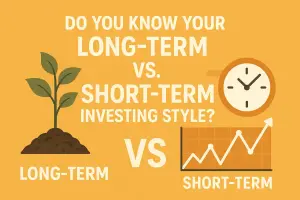
Holding investments for at least 3-5 years helps ride out volatility. While tempting, chasing short-term gains often backfires — I've lost money trying to time markets multiple times! - Understand Your Investments Deeply
Research beyond headlines — read quarterly reports, management commentary, and industry trends. It takes time, sometimes hours weekly, but builds confidence. - Use Dollar-Cost Averaging
Spreading investments evenly over time smooths purchase prices. Not perfect though — if markets are rising steadily, you might miss out on lump-sum gains. - Stay Emotionally Detached
Avoid panic selling during downturns. I learned this hard after the 2020 crash when staying calm preserved my long-term growth. - Keep an Emergency Fund Separate
Having ₹50,000 to ₹1,00,000 liquid cash means you won’t have to sell investments unexpectedly in emergencies. Maintaining this fund requires discipline.
Mistakes You’ll Want to Dodge
Chasing the latest “hot stocks” can backfire big time. I remember putting ₹1 lakh into a highly advertised IPO, only to watch it drop 30% within just six months. It’s a classic trap I’ve seen many investors fall into. On top of that, skipping diversification or ignoring your portfolio’s performance for months — or even quarters — can leave you blindsided. And don’t get me started on fees; some mutual funds charge a 2% annual fee, which quietly eats into your returns over the years. Staying disciplined and doing your homework can save you from these common mistakes.
Risk Considerations
Investing in the stock market comes with its fair share of risks — there’s no getting around that.
Market Risk
Even if you pick strong companies, a broad market downturn can drag your whole portfolio down. It’s frustrating but part of the ride.
Sector Risk
Putting too much into just one area, like banking or IT, can leave you exposed when that industry hits a rough patch. I've learned the hard way that spreading out risk really pays off.
Liquidity Risk
Some small-cap stocks aren’t exactly easy to offload when the market gets shaky. I’ve noticed that during turbulent times, finding buyers can be a challenge, so it’s something to keep in mind.
Knowing your own comfort with risk and spreading your investments accordingly is key. For me, I never put more than a quarter of my portfolio into a single sector — it’s a simple rule that helps keep things balanced.
Understanding Tax and Legal Basics
How long you hold your investments really changes how much tax you pay on capital gains. If you sell equity within a year, expect a 15% tax on the profit. But if you hang onto it for over a year, only the gains above ₹1 lakh get taxed at 10%. Don’t forget dividends — if you rake in more than ₹5,000 a year from them, that’s taxable too. Going global with your investments adds another layer of complexity: currency fluctuations can affect returns, and you’ll need to follow foreign tax rules. I always set aside time in January to review my portfolio, figure out which assets to sell, and try to keep my tax bill as low as possible for the year.
Who Might Want to Steer Clear or Limit Stock Investing
Investing in stocks isn’t for everyone. If you know you’ll need access to your money within the next year, the ups and downs of the market can be risky. If you prefer playing it safe, options like fixed deposits or bonds might suit you better. And if keeping up with market news feels like a full-time job or just overwhelms you, consider letting balanced mutual funds or robo-advisors handle the heavy lifting. Being realistic about how much time and stress you can handle will save you from making impulsive moves down the line.
FAQs
When should I check and adjust my portfolio?
Checking your investments every three months is a good rule of thumb to make sure you’re still on track. But if your schedule’s packed, reviewing twice a year also works — just don’t let too much time pass without a quick look.
Can I start investing with a small amount?
Definitely. You can get going with as little as ₹10,000 by putting your money into ETFs or mutual funds. It’s an easy way to get into the habit of investing without feeling overwhelmed.
How are ETFs and mutual funds different for my portfolio?
ETFs are traded just like stocks, which means you can buy and sell them throughout the day. They usually come with lower fees compared to mutual funds. On the other hand, mutual funds are often actively managed, so you might pay more in expenses, but you’re also getting a professional steering your investments.
Finding the Right Mix: Growth vs. Dividend Stocks
How you balance growth and dividend stocks really depends on what you want to achieve. Growth stocks are all about boosting your investment over time, while dividend stocks give you a steady income. A popular approach is to go with about 70% growth and 30% dividend, but it’s flexible — tailor it to your personal goals and comfort with risk.
Should you include international stocks in your portfolio?
You don’t have to, but adding international stocks can really help spread out your risk if things go sideways in your home market. It’s like not putting all your eggs in one basket — if one market dips, others might still hold steady.
How does inflation affect your investments?
When inflation runs high, your money doesn’t stretch as far as it used to. Over time, focusing on growth-oriented investments can help balance out this loss and keep your portfolio moving forward.
Should I stick to my strategy or panic when markets dip?
The best move is usually to stay the course — unless something really big changes in the market’s fundamentals. Reacting out of fear often ends up costing you more than toughing it out.
Conclusion
Building a stock market portfolio isn’t a one-size-fits-all deal, but with some smart strategies and practical tips, you can grow your money in a way that feels right for you. It starts with figuring out your goals, picking the right stocks, and keeping an eye on risks — every piece really counts. Whether you’re just starting out or tweaking your existing investments, remember: sticking to a learning routine and staying disciplined beats chasing quick wins any day. If you’re curious, you might want to check out these posts: “Building a Resilient Portfolio with ETFs” and “Understanding Mutual Fund Strategies for New Investors.” Keep your curiosity alive, be patient, and watch your portfolio become a solid part of your financial future.
Ready to take charge of your investments? Subscribe for practical tips you can use right away, and follow me for regular updates on building a portfolio that lasts.
If this topic interests you, you may also find this useful: https://www.growzera.com/blog/top-etf-financial-strategies-for-smart-investing-success