Smart Ways to Plan Your Finances for Building Wealth
Introduction
I clearly remember the moment it hit me—just saving money without a solid plan wasn’t going to get me where I wanted financially. Early on, I’d tuck away whatever was left after bills, but I never tracked my net worth or set clear goals. After a few years of this scattershot approach, I realized my savings weren’t really growing. That’s when I started checking my net worth every month, and at first, it only moved by about ₹50,000 increments. But even those small changes made a big difference in how I handled money. Building wealth isn’t just about putting cash aside; it’s about making deliberate choices that help your money grow consistently. This guide shares what I’ve learned from investing, tracking markets, and hands-on experience, to help you make smarter financial moves—whether you’re just starting out or looking to sharpen your strategy.
1) Getting a Grip on Financial Planning for Building Wealth
What does planning your finances for wealth actually involve? At first, it might sound like just making a budget, but if you’ve ever tried to take control beyond the basics, you know that tracking income and expenses only scratches the surface. Building wealth means handling your money with an eye on long-term growth. For me, it helps to separate day-to-day cash flow—like managing bills and groceries—from bigger-picture planning, which includes investments, knowing how much risk you’re comfortable with, and thinking about how long you want your money to grow.
When I started investing seriously back in 2010, I quickly realized that saving ₹10,000 a month won’t move the needle much unless you’re also strategic about where and how long you invest. Your savings rate—how much of your income you’re actually putting aside—works hand in hand with the returns on your investments and how long you let those returns grow. For example, investing ₹15,000 each month over five years in mutual funds that average an 8% annual return through platforms like Groww or Zerodha can significantly outpace just putting that money in a savings account. It's a simple but powerful lesson in letting time and smart choices do the heavy lifting.
Figuring out your risk tolerance is more important than you might think. Early on, I jumped into aggressive investments without really knowing if I could handle the ups and downs, and let me tell you, that led to more than a few sleepless nights and some rash moves. Also, your time frame changes everything. Holding equity mutual funds for three to five years is a whole different ballgame than trying to time the market day-to-day. Both approaches can work, but you need to pick what fits your style and goals.
Keeping your finances on track isn’t a one-and-done deal. I personally make it a habit to check my portfolio and revisit my goals every quarter, usually around 9:15 in the morning when the market has just kicked off and fresh numbers start flowing in. Life—and markets—don’t stand still, so your financial plan can’t either. It has to grow and adjust as your income, spending, and priorities change over time.
Why It Matters and What You Gain
So, why put effort into financial planning? From what I've seen, it’s worth it for the peace of mind alone. When I had about ₹50,000 set aside for emergencies and my investments matched the risks I was comfortable with, I actually slept better at night. Knowing I had a cushion for unexpected things — like a sudden job change or an unplanned medical bill — made a huge difference in how secure I felt.
Another big plus is how it taps into the power of compound growth. For instance, I consistently invested ₹12,000 every month in ETFs like Nifty 50 and a mix of mutual funds. Over about six years, that added up to around 10-12% annual returns. What really hit me is how starting early changes the game — your returns don’t just pile up, they start earning returns too, so your money works harder over time.
Lastly, having a clear plan helped me avoid common mistakes like overspending or chasing the latest “hot” stocks during market booms. I’ve watched new investors jump on trends without doing their homework and end up losing cash. Sticking to a plan kept me focused on my long-term goals and stopped me from reacting to every market headline. It’s like having a financial roadmap that stops you from getting lost.
Planning ahead gave me the confidence to take smart risks. When I had a mix of investments—about half in stocks, 30% in safer bonds, and the rest in cash—I felt secure enough to dip into emerging markets. It was exciting to chase that growth while still keeping my financial footing steady.
Financial security isn’t just about having more money; it’s about using it wisely. By mapping out my finances, I was able to set clear goals—like buying a house within five years or going on a ₹3 lakh vacation—without having to touch my investments or throw my plans off track.
3) How to Get Started
If you're wondering where to begin, here’s what worked for me. I started by taking a good hard look at my finances. That meant figuring out my net worth—basically adding up everything I owned, like savings and investments, and subtracting any debts. I jotted it all down in a simple Excel sheet and realized my net worth was around ₹2.5 lakh when I kicked off this journey.
After that, I worked out my monthly cash flow—my income minus all my monthly expenses—to see how much I could realistically put aside each month. Being honest here is super important, because if you’ve got a ton of debt or your income isn’t stable, diving into investments too aggressively might not be the smartest move right now.
Setting clear and achievable goals made a huge difference too. I broke them down into short-term (like putting together a ₹50,000 emergency fund), medium-term (saving for a car down payment in three years), and long-term (building a retirement fund of ₹5 crores over 20 years). Putting numbers and timelines to these goals really helped me stay focused and gave me a clear roadmap to follow.
Having an emergency fund was my top priority from the start. I set a target of ₹50,000, which covered about three months of my basic expenses. Without that financial cushion, I found myself tempted to dip into my investments whenever unexpected bills popped up—and trust me, it threw off my long-term plans more than once.
Changing your mindset is tougher than you’d think. I’ll never forget feeling totally overwhelmed at first. So, I broke things down: tracked every expense for a month, set clear goals, and began a small SIP of ₹5,000. Think of it like planting a tree—you don’t just drop the seed and walk away. You get the soil ready, plant carefully, and then water it regularly.
4) Easy Step-by-Step Guide
Here’s a simple plan I stuck to, broken down into easy steps you can actually follow.
- Track income and expenses systematically. Use apps or a diary to capture every rupee. When I tracked expenses for 3 months, I cut down unnecessary spends, freeing up about ₹3,000 monthly for investment.
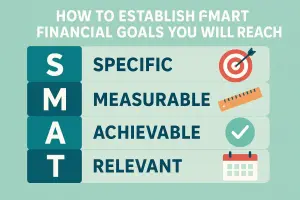
- Set quantified wealth-building goals. Aim for targets like ₹1 lakh net worth in 2 years or ₹10,000 passive income by 2025. Measurable goals keep motivation alive.
- Create or adjust your budget aligned to goals. I blocked funds right after salary credit rather than waiting to save leftover money—"pay yourself first" approach.
- Prioritize debt repayments versus investing. For high-interest debts (above 12% like credit cards), I cleared those first before increasing investments. For housing loans at around 7%, I balanced repayment and investing.
- Choose investment vehicles based on risk profile and time horizon. I favored mutual funds (SIP in balanced funds for moderate risk), ETFs for low-cost exposure, and diversified stocks for direct equity portion.
- Review progress quarterly and refine your plan. I set reminders for every January, April, July, October to analyze returns, adjust allocations, and align with changed goals.
Keeping myself accountable made a big difference—whether that meant jotting down progress in a journal or chatting with a friend who’s good with money. If you can, check in with a financial advisor at least once a year; it’s worth it.
The biggest thing I learned? Stay flexible. Life throws curveballs like job changes or moving cities, and trying to stick to a rigid plan only made things more stressful. Adapting as you go really helps.
5) Essential Tools and Platforms I Use
Picking the right tools made handling my finances a lot less stressful. Here’s what I’ve found works best for me:
- Budgeting apps: YNAB (You Need A Budget) and Mint helped me track expenses effortlessly. While YNAB has a ₹1,500 per month subscription, it’s worth it for detailed control. Mint is free but shows advertisements.
- Investment platforms: Zerodha and Groww became my go-to brokers for mutual funds, stocks, and ETFs. Zerodha charges about ₹20 per trade or 0.03% brokerage minimum ₹20, which is economical for frequent traders.
- Net worth trackers: I used simple spreadsheets but also tools like Personal Capital (more popular abroad) give automated net worth tracking.
- Spreadsheet templates: Excel or Google Sheets with monthly cash flow and investment tracker tabs worked wonders.
Automation really changed the game. Every month on the 2nd, I’ve set up an automatic transfer of ₹10,000 to my SIPs. Plus, I switched on dividend reinvestment plans for the stocks I own. It saves me from fiddling with numbers constantly and keeps me from spending what I should be investing.
That said, it’s smart to watch your data security. Stick to platforms that offer two-factor authentication and avoid saving sensitive info on public cloud drives. And if apps aren't your thing, don't stress—grabbing a good old notebook for journaling works just as well.
6) Tips That Actually Work
Over time, I've picked up a handful of tips that really make a difference. These are the ones I rely on every time I hit the road:
Tip 1: Automate your savings and investments Here’s why this works: It removes the guesswork and stops you from having to make the same money decisions over and over. I recommend setting this up as soon as you start your financial plan—don’t wait. You can set up automatic transfers or SIPs (Systematic Investment Plans) through platforms like Groww or HDFC Securities to make this effortless. Just a heads-up though—once you lock it in, flexibility is limited, so it’s a good idea to keep a small emergency fund somewhere easily accessible for those surprise expenses.
Tip 2: Focus on boosting your savings rate rather than just waiting for a salary hike Here’s the deal: It’s way easier to grow your savings by cutting back a little than waiting around for your income to go up. When I hit a salary plateau, I figured I had to get smart about what I spent. I started by trimming down on dinners out and managed to save around ₹2,000 every month. The key is to start small, like cutting out the extras you don’t really need. Just remember, this approach works best if your income doesn’t jump all over the place.
Tip 3: Spread your investments across different types Why bother? Because putting all your money in one place can be risky. Once you have around ₹50,000 to invest, try spreading it out – some in equity mutual funds (mix mid-cap and large-cap), some in debt funds, a little in gold ETFs, and don’t forget fixed deposits for stability. Keep in mind, though, this strategy might mean you don’t get the highest returns when the market is booming and a few assets take off. But it helps keep your overall investments safer.
Tip 4: Keep reinvesting your returns This one’s a game-changer—letting your investments grow faster over time. The trick is to hold onto your investments for at least 3 to 5 years, or even longer if you can. Look for mutual funds that let you automatically reinvest dividends, or stocks with DRIP (Dividend Reinvestment Plans). Just a heads-up: this means your money won’t be as liquid, so make sure you’ve got a separate emergency stash before tying up funds. It’s all about patience paying off in the long run.
Tip 5: Keep learning about investing Smart investors never stop learning, and neither should you. The market changes all the time—especially after the opening bell at 9:30 AM—so staying updated helps you make better choices. Dive into some solid financial books, follow trustworthy blogs like Growzera, and join webinars when you can. But watch out for info overload; it’s easy to get overwhelmed. Pick sources that resonate with you and focus on practical advice you can actually use.
Tip 6: Take advantage of tax-friendly accounts Using accounts that give you tax benefits can really boost your overall returns. If you’re in India, that means things like PPF, NPS, or Equity-Linked Savings Schemes. For example, PPF offers a fairly steady return around 7.1% each year which is pretty solid and super safe. NPS is great if you’re thinking about retirement savings too. Just remember, these often come with limits on how much you can put in and lock-in periods that restrict access. So plan accordingly!
Tip 7: Check in on your plan regularly Why: Keeps your strategies in tune with changes in life and the market When: Every few months or at least once a year—I actually set calendar reminders to stay on track Practical: Look over how your portfolio is performing, adjust your asset mix if needed, and fine-tune your goals Limitation: It does take some time and commitment, but it’s worth it to avoid surprises
7) Mistakes You’ll Want to Avoid
Nobody’s perfect—we all slip up now and then. Here are some missteps I’ve seen up close or even stumbled into myself:
- Neglecting emergency funds: I once used investments to cover sudden medical bills and had to sell at a loss.
- Over-concentration in high-risk assets: Chasing tech stocks only resulted in losing 15% during a market correction.
- Chasing “hot” investments: The buzz around a new IPO tempted me; it dipped 10% in a week. Patience beats hype.
- Ignoring inflation or fees: I overlooked 2% expense ratios in some mutual funds, which significantly ate into my returns over years.
- Failing to track progress: Without quarterly reviews, I missed reallocating funds to better opportunities.
- Emotional decisions: Selling investments during market dips rather than staying disciplined cost me gains in the long run.
Everyone makes mistakes; it's part of the journey. What really counts is how quickly you learn from them – it cuts down the bumps in the road and sharpens your gut instincts for what’s ahead.
8) Weighing the Risks
Managing your money with the goal of growing wealth isn’t without its risks. Before I felt confident, I had to figure out how to handle those ups and downs without letting them throw me off track.
Market risk is pretty straightforward—stocks can take a sudden nosedive. I remember back in the 2020 crash when my portfolio dropped almost 30%. Staying calm was easier said than done as I watched the numbers fall day after day.
Inflation can sneak up and quietly eat away at your money's value. I thought locking money in fixed deposits with a 5% interest was safe, but with inflation hitting around 6%, I actually ended up losing buying power.
Liquidity is something I’ve learned to respect—if you can’t get your cash quickly, that flexibility disappears. So, I made sure not to tie up all my funds in investments that are tough to sell on short notice, keeping some cash ready for whatever life throws at me.
Interest rate risk affects debt investments; rising rates can reduce bond prices. That’s why I limited debt fund exposure to 20% in my portfolio.
Longevity risk—outliving your savings—is critical for retirement planning, so I started early to build a ₹5 crore corpus.
Personal risks like job loss or health emergencies emphasize having ₹50,000-₹1 lakh emergency funds and insurance coverage.
No plan is risk-free. You can only manage and balance risks according to your tolerance.
9) Tax and Legal Considerations
Taxes can substantially affect wealth building if overlooked. I learned this when my capital gains tax trimmed my ₹1 lakh profits by ₹15,000 in short-term gains.
Capital gains fall into short-term (less than 12 months for stocks) taxed at 15% and long-term (over 12 months) taxed at 10% without indexation in India. Dividends received also attract a 10% tax on amounts exceeding ₹5,000.
Tax-advantaged accounts like PPF or NPS reduce your taxable income under 80C sections but with annual limits (₹1.5 lakh for PPF).
Keep good records of transactions, dividends, and expenses to comply with tax authorities.
Estate planning or setting up wills ensures wealth passes smoothly and minimizes disputes or inheritance taxes.
Consulting a tax professional tailored to your locale is wise. I recommend annual tax reviews to optimize investments.
10) Who Should Avoid / Limitations
Financial planning for long-term wealth isn’t for everyone. Here’s who might reconsider:
Individuals with unstable income or excessively high debts should focus on stabilization first. I noticed friends with job uncertainty had trouble sticking to plans.
If you need liquidity soon—say to fund education or a wedding in a year—aggressive investing may be unsuitable.
If you’re not ready to put in the time to learn and keep things fresh in your mind, it’s easy to feel overwhelmed or skip important steps along the way.
Remember, this isn’t a quick race—it’s more like a long-distance run. Chasing fast money usually ends up causing frustration or leading you down the wrong path.
From what I’ve seen, sticking with it and being patient really make all the difference. Without those two, even the smartest plans tend to fall apart.
11) FAQs
How much should I save each month for wealth building? Aim for at least 20% of your monthly income. For example, if you earn ₹50,000, start saving ₹10,000 monthly. Adjust as you progress.
When is the best time to start investing? As soon as you have an emergency fund. Starting your first SIP within a month or two of consistent income is ideal.
What types of investments are best for beginners? Mutual funds and ETFs focusing on broad market indices like Nifty 50 are beginner-friendly. Avoid complex derivatives initially.
How often should I review my financial plan? Quarterly reviews work best to align with market changes and life events.
Can I build wealth while paying off debt? Yes, prioritize clearing high-interest debts first. Balance investing and repayment for manageable growth.
How do I stay motivated during slow progress? Track your net worth monthly or quarterly. Celebrate small wins like crossing every ₹1 lakh milestone.
Is it better to DIY or seek a financial advisor? Depends on your comfort and knowledge. Many start DIY and consult advisors as portfolios grow.
If this topic interests you, you may also find this useful: practical strategies for investment diversification to reduce risks. For a deeper dive into tax-efficient investing, check out our guide here: tax planning for investors.
Conclusion
Thinking back to when I started, how to plan finances for wealth building felt daunting but became a manageable, rewarding journey with the right steps. Clear mindset, measurable goals, discipline, and flexibility to adapt are the cornerstones. Start small—whether that’s setting goals, tracking expenses, or automating savings. If you prefer practical, experience-based insights over hype, this guide should help you decide better. Explore further, adjust to your style, and take your time with it.
Call to Action #1: If you want more practical tips on managing your money and investments, stick around and subscribe—I’m Vijay Shinde, and I’ll share what I’ve learned along the way.
Call to Action #2: Why not start tracking your net worth every month? Or even better, draft your very first financial plan using the simple steps I’ve laid out here. It’s easier than you think!