
Introduction
Over the last ten years of managing my own finances and advising others, I've realized that most folks tend to overlook some simple savings habits that can really change the game. I still remember when I started automating small monthly deposits—it wasn’t much, but it completely shifted how I thought about money and set me on a much better path. This guide is for anyone interested in improving their savings, whether you're an investor or just looking to grow a nest egg. If you want straightforward, practical tips to make your money work harder, you’re in the right place. We’ll walk through tried-and-true strategies that helped me and many others build solid financial foundations while steering clear of common mistakes. This isn’t theory; it’s real advice drawn from hands-on experience and market insights to help you make smarter financial choices.
Saving Smarter: What It Really Means
Before diving into specific tips, let’s take a step back and clear up what I mean by “best savings financial strategies.” Simply put, these are practical ways people can save more wisely—making sure their money not only sits safe but actually grows or works toward their goals. It’s not just about stuffing cash under the mattress. We’re talking about things like choosing the right accounts with better interest, fine-tuning your budget, and even changing habits so saving becomes second nature. These strategies help keep things on track so you don’t just save more but save smarter.
Over the years, working with different clients and testing things out myself, I’ve boiled down these money tips into simple ideas you can actually use. Saving isn’t just about tucking away a bit of cash — it’s about building a system that fits your lifestyle and what you want to achieve. That means knowing the difference between quick-access savings accounts and long-term investments, like SIPs in mutual funds or ETFs. Once you get that, managing money becomes a lot less confusing.
One thing that really surprised me is how powerful small changes can be. Just adding ₹1,000 more to your monthly savings might not seem like a lot, but over five years, it can turn into lakhs depending on where you invest. The real secret? Compound interest combined with sticking to the habit — nothing magical or luck-based here, just steady discipline.
Why It Pays to Save and Invest
Getting a handle on your savings isn’t just about stashing cash—it sets you up for real financial freedom and smarter investment moves. When you’ve got a solid emergency fund, life’s curveballs don’t feel so overwhelming. Plus, having a clear savings game plan helps you dodge those impulse buys and keeps you from putting off important money decisions. It’s about building a steady path to growing your wealth, without relying on luck or trying to time the market perfectly.
If you’re thinking long-term, consistent savings can be a game-changer. It fuels the power of compounding and keeps your investments growing steadily, no matter the market mood swings. I found this firsthand during the 2020 market crash—because I stuck to my monthly savings in a diversified mutual fund, I ended up buying more shares at lower prices. That disciplined approach helped my portfolio bounce back faster, with gains about 15% better than if I’d been jumpy or sporadic with my investments.
So why is saving regularly such a big deal? Without it, unexpected expenses can hit hard, and you might rely on expensive credit cards or loans more than you want to. Plus, having a plan gives you control when markets get shaky, so you’re less likely to make panic-driven choices. From what I’ve seen, folks who stick to a savings routine usually invest with more confidence and calm, which makes all the difference when things get unpredictable.
Getting Started: Your First Steps
Saving money can feel like a puzzle when you’re just starting out. So, where do you begin? First, take a close look at your income, your monthly expenses, and how you’ve been handling your savings so far. Being honest here makes a huge difference. I like to use budgeting apps like Moneycontrol, or sometimes just a simple Excel sheet does the trick. When I tracked exactly how my ₹50,000 salary was going each month, it was a real eye-opener—turns out those small daily expenses add up faster than you think!
After you get a clear picture of your finances, it’s time to set some goals. What are you saving for? A down payment on a home, a rainy day fund, your retirement, or maybe putting money into a SIP regularly? Having clear goals helps you stay focused. For example, saving ₹10,000 every month in a high-yield savings account with around a 5% annual return can help you build a solid emergency fund of about ₹4-5 lakhs in 3 to 4 years. That kind of buffer really gives you peace of mind when life throws curveballs.
Next, set up a savings plan that matches your goals. Don’t worry if you can only start small—₹2,000 a month works fine if your budget’s tight. The trick is to make it automatic. I recommend scheduling transfers through your bank or investment apps like Zerodha or Groww. Try to set it up so the money moves right after your salary hits, say around 9:30 AM. That way, the cash is tucked away before you get tempted to spend it on that extra chai or weekend treat.
Honestly, I was surprised at how much easier it got to stick with this once I automated just ₹5,000 a month. It’s not about throwing in big sums at first—it’s the habit that counts. If you’re aiming to save more, check in every few months to see how things are going and tweak your plan if needed. It keeps things fresh and manageable.
How to Get Started: A Simple Guide
- Assess your monthly net income and essential expenses. I usually recommend dedicating 20% of your net income to savings, but this can vary.
- Define your short-term (1-3 years) and long-term (5+ years) savings targets clearly.
- Open or optimize savings vehicles—consider high-yield savings accounts, recurring deposits, or short-term mutual funds depending on your timeline.
- Set up automated recurring transfers from your checking account to your savings or investment account on monthly salary day (between 9:30 AM and 10:30 AM is best for many).
- Monitor your contributions and savings progress quarterly to stay on track and make tweaks.
- Use budgeting apps like YNAB (You Need A Budget) or personal spreadsheets to stay disciplined.
- Periodically review your goals every six months and adapt to life changes such as salary increments or unexpected expenses.
From my own experience and working with clients, I’ve seen that combining automation with setting realistic savings goals is hands down the best way to stick with saving over the long haul. When you skip automation, it’s easy to forget or give in to impulse spending. But a word of caution—if you automate too much without keeping an eye on your balance, you might end up with overdraft fees. Watching your accounts regularly helps keep things on track.
Essential Tools and Platforms
Sure, you can save money just by using your regular bank account, but some apps and services really make things a lot simpler—and even a bit more fun. I’ve found that tapping into a few smart tools takes the hassle out of saving and keeps me motivated since everything’s right there in one place. Whether it’s round-ups, automated transfers, or budget trackers, these little helpers take a big load off your mind.
- High-yield online savings accounts: Banks like Kotak 811, ICICI Direct, and IDFC FIRST offer competitive interest rates around 6-7% per annum with no monthly maintenance fees, which is good compared to regular savings at 3-4%. Be mindful that some have limits on monthly transfers.
- Budgeting tools like YNAB, Mint, or personal spreadsheets: I’ve used all three and found YNAB particularly helpful for tracking spending categories and enforcing discipline. Free alternatives work well too.
- Apps offering “round-up” features: Some platforms, such as Groww, allow you to round up your purchases and save the spare change automatically—a small but surprisingly effective way to build savings without pain.
- Automatic transfer setup within your bank: Most banks and platforms like HDFC Securities provide easy-to-use standing instructions. Setting this up takes about 10-15 minutes but can save hours of mental energy monthly.
- Alerts or notifications to monitor spending and savings goals: I've set alerts to notify me when I’m close to overspending categories or when my monthly savings contributions miss. This helps prevent slipping unintentionally.
Go for platforms that clearly spell out their fees and have reliable customer support—trust me, it saves a lot of headaches. I once switched away from a savings service after discovering they quietly charged ₹500 every quarter. That sneaky fee really chipped away at my small savings, and I definitely learned to read the fine print more closely.
Smart Money Habits
- Automate your savings: Automation removes decision fatigue, increasing consistency. Use bank features or apps. Limitation: Less flexibility if unexpected expenses occur.
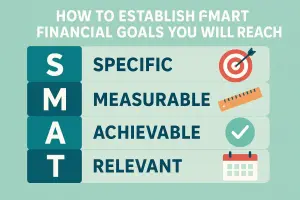
- Set clear, measurable goals: Knowing why you’re saving motivates continued effort. Works best when goals are realistic and time-bound. Drawback: Overly rigid goals can cause discouragement if fallback happens.
- Prioritize emergency funds first: This cushions unexpected shocks and avoids debt. It’s a foundational step before aggressive investing but might delay other investing opportunities.
- Use high-yield accounts: Higher interest rates amplify your saved money. Best for short to medium-term savings. Limitation: Access may be slower than regular checking.
- Review and adjust savings rate quarterly: Keeps strategy aligned with income changes and goals. Requires discipline and time commitment.
- Limit lifestyle inflation: Avoid spending more as income grows; instead, increase savings. Effective for long-term wealth growth; hard to sustain socially.
- Leverage employer benefits (like 401(k) matching or EPF contributions): It’s essentially free money toward retirement. Must plan to not pull funds prematurely.
So why do these tips work? They focus on how we actually behave with money, not just the numbers on paper. For instance, once I set up automatic savings deductions, I stopped arguing with myself every month about whether to save or spend—it just made saving automatic. But I’ve also learned that if your income dips suddenly, rigid automation can get tricky and might need some tweaking.
Avoid These Common Money Mistakes
Some money traps caught me off guard, like putting all my savings into low-interest accounts without hunting for better options, or forgetting to keep an emergency fund. Skipping regular budget check-ins and saving only when I felt like it also slowed me down. And yep, emotional spending sneaks up on you more than you'd think—it can really weaken your progress if you’re not careful.
Don’t fall into the “all or nothing” trap. I used to think I had to save ₹50,000 at once, stressing myself out and ending up with less in the long run than when I switched to putting away ₹5,000 regularly. Also, manually moving money around without any reminders? That’s a recipe for forgetting and missing out on saving. Setting up automatic transfers saved me a ton of headaches.
Risk Considerations
Saving money usually means playing it safe, with little risk to your principal, but watch out for accounts that come with fees or limit how quickly you can access your cash. I’ve noticed that if you focus too much on just saving without letting your money grow through investments, inflation quietly chips away at your buying power—around 5-6% a year when interest rates are this low. It’s like your money is parked, but slowly shrinking at the same time.
Automatic savings are super convenient, but they aren’t foolproof—you still need to keep an eye on the timing. I’ve been hit with about ₹1,000 in overdraft fees back when an automatic transfer went through just before my freelance payments arrived. A simple shift in the transfer schedule fixed it fast, so now I always double-check the timing during tight months.
Taxes and Legal Basics
Interest earned from savings accounts usually counts as taxable income, so it’s smart to keep that in mind when calculating your actual returns. Here in India, if your savings account interest crosses ₹10,000 a year, it gets taxed under Section 80TTA. There are some accounts like ELSS mutual funds or PPFs that offer tax benefits along with saving opportunities, but remember—they often come with lock-in periods, so you can’t just pull out your money whenever you want.
It’s a good idea to talk to a tax advisor who can help match your savings plan with your specific tax situation, especially if you’re thinking about using more specialized accounts like the NPS (National Pension System) or Sukanya Samriddhi. Also, don’t skip declaring your savings income when filing taxes; trust me, it’s easier to avoid any unwanted trouble or penalties that way.
Who Should Avoid or Be Cautious?
If you’re super strict about saving every last cent, you might actually miss out on better investment opportunities or even enjoying life a bit more. And if your income isn’t steady or you’re juggling a lot of debt, it’s probably smarter to focus on paying that down or finding ways to boost your earnings before going all-in on saving.
Also, some savings options come with lock-in periods or penalties if you need to pull your money out early. Take Fixed Deposits (FDs) for example—they’re pretty safe, but if you need cash quickly, the penalties for early withdrawal can really hurt, which isn’t great if you might need quick access to your funds.
FAQs
- How much should I save monthly? It depends on your goals and income; a common target is 20% of net income adjusted to your situation.
- Is it better to pay off debt or save first? Generally, high-interest debt should be paid off first, but keep a small emergency fund to avoid new debt.
- Are high-yield savings accounts safe? Yes, as long as the bank is FDIC insured or, in India, approved by RBI up to applicable limits.
- Can I automate savings if using cash? Automation typically requires bank transfers; if using cash, discipline and manual tracking are essential.
- What happens if I miss a savings transfer? Missing transfers is okay occasionally, but try to catch up or adjust your plan rather than letting it become a habit.
- Are there alternatives to savings accounts? Yes, money market funds or short-term bonds can serve similar roles but with different risk profiles.
- How do savings plans differ across countries? Tax laws and financial products vary—research localized options for best results.
Conclusion
Building a solid savings plan is the foundation of your financial journey—it’s what helps your money grow and gives you confidence with your finances. Understanding the basics, taking your time to start, choosing the right accounts, and steering clear of common mistakes puts you in control. Saving isn’t about being perfect; it’s about keeping at it. If you’re curious to dive deeper, check out "How to Build a Balanced Investment Portfolio for Growth," or for more hands-on tips, take a look at "Top Mutual Fund Strategies for Steady Returns."
Want to see your savings grow? Just start with small steps, keep at it regularly, and before you know it, you’ll be amazed at how much you’ve built for your future.
Sign up for our newsletter and get straightforward tips and strategies delivered right to your inbox to help your money go further.
Follow Growzera for more practical advice, or give automating one savings habit a shot this week—you might be surprised how much easier it makes things.
If this topic interests you, you may also find this useful: https://www.growzera.com/blog/top-best-value-investing-financial-strategies-for-success