
Your Go-To Guide for Trading and Investing
Introduction
I still remember my first steps into the world of finance — terms like “trading” and “investing” felt like a foreign language. Over time, getting a solid understanding of how these two work changed the way I think about building wealth. I began cautiously, with just about ₹20,000 spread across a few mutual funds and some stocks on Zerodha. This approach helped me keep early losses in check while I figured things out. If you're someone curious about making your money work smarter, whether you’re a beginner or just want clearer insight, this guide is for you. I’ll share practical advice, personal experiences, and real strategies to help you navigate trading and investing without getting caught up in hype or confusion.
Getting to Know Trading and Investing
What’s the Difference Between Trading and Investing?
People often use trading and investing as if they’re the same thing, but they really aren’t. Investing is more about buying things like stocks, bonds, or mutual funds and holding onto them for the long haul—sometimes years or even decades—with the hope that your money will grow steadily over time through things like dividends and compounding. Trading, on the other hand, is a faster game. It’s about buying and selling assets quickly, sometimes within days, weeks, or even minutes, trying to catch small price moves for profit. Traders often rely on charts and technical tools to decide exactly when to jump in or get out.
Long-Term Investing vs. Quick-Flip Trading Styles
When it comes to investing, people tend to fall into a few broad camps. Some focus on fundamental analysis—digging into company financials, leadership, and where they stand in the market—usually holding stocks for several years. Others prefer trading, where the emphasis is on charts, trends, and timing to buy and sell quickly. I remember early on mixing the two approaches, trying to snag quick wins without the patience or timing skills that trading demands, and it cost me. Figuring out which style suits you is half the battle.
A Quick Look Back
The markets have come a long way since the Bombay Stock Exchange was set up in 1875, and even since big milestones like the introduction of the Nifty 50 and Sensex indices in the 90s. Today, platforms like Groww, Zerodha, and HDFC Securities make trading more accessible than ever. But the basics haven’t changed much. Knowing how the market operates—the opening bell at 9:15 AM, how global events can shake things up, and why liquidity and volatility matter—really helped me avoid rookie mistakes. That’s especially true during those wild swings when tech stocks or commodities suddenly zoom up or dive down.
Why Trading and Investing Both Matter
Financial Growth Opportunities
Trading and investing each bring something different to the table. Long-term investing lets you benefit from compounding over time, building steady wealth without much fuss. On the other hand, trading can offer quicker wins, especially when markets swing wildly. In my experience, regularly putting money into ETFs and mutual funds through SIPs gave me about 12% returns annually, while a well-timed trade in Nifty futures could snag 5-7% gains in just a few weeks. Neither approach is better—it really depends on what you’re aiming for.
Mental and Educational Benefits
Beyond the money side, trading teaches you a lot about mental toughness. It pushes you to stay calm, make decisions when things aren’t clear, and handle risks smartly. After a year of trading, I found I was better at keeping my cool and making fast calls when it mattered. That kind of learning doesn’t come from books — you have to live it to really get it.
Portfolio Diversification and Income Streams
Trading and investing play different but complementary roles in managing money. While investing in a solid, long-term portfolio usually means slow and steady growth, trading can bring in quicker returns that help cover day-to-day expenses or fuel other ventures. That said, don’t get carried away—market swings of 10-15% in just a few weeks on indexes like Sensex are pretty common. I personally sleep better knowing my core investments are steady, and trading keeps my brain sharp and on its toes.
How to Get Started
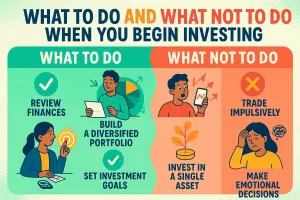
Know Your Financial Standing and Risk Comfort Level
Ready to dive in? Awesome! But first, take a moment to check your finances. Do you have around ₹50,000 or more set aside that you can afford to invest? It’s smart to have a safety net too—aim for at least ₹1 lakh as an emergency fund before you start putting money at risk. And be honest with yourself about how much risk you can handle. If losing ₹10,000 would keep you tossing and turning at night, trading might not be your best bet.
Set Realistic Goals
What’s your goal here? Are you looking for some extra cash on the side, hoping your money grows steadily over five years or more, or just trying to get your feet wet and learn? Where you want to go will shape how you get there. I remember when I began, I was aiming to double my money in a year—a risky move that almost backfired. These days, I suggest aiming for a modest 5 to 8% growth each year at first. It gives you room to learn without riding roller coasters with your investments.
Start Small and Learn as You Go
I’d recommend starting with at least ₹10,000, but if you can swing ₹25,000 to ₹50,000, you’ll get a better feel for the market. To get your feet wet without risk, try free courses and pick up classics like "The Intelligent Investor." Also, play around with demo accounts on platforms like Zerodha Kite or Upstox. When I started, I spent about three months paper trading—basically practicing without real money. That helped me steer clear of impulsive moves and get familiar with commissions, which usually run around ₹20 per trade on most platforms.
Match Your Strategy to Your Time and Personality
Trading isn’t a set-it-and-forget-it game—you need to be glued from 9:15 AM to 3:30 PM since the market moves fast. If you don’t have much time during the day, investing might be a better fit. I found my sweet spot by spending about half an hour before the market closed, focusing on a few key trades, and keeping the rest of my portfolio long-term. It worked well for me, balancing attention and patience.
How to Get Started: A Simple Step-by-Step Guide
- Step 1: Research and Learn Basics
Start with understanding market terms: stock, ETF, SIP, margin, order types. Read daily market news and track indices like Nifty 50 and Sensex. - Step 2: Select Brokerage or Platform
Choose brokers offering low fees, good tech, and educational support. Zerodha, Groww, and HDFC Securities are among popular options. I switched platforms once because of high ₹500 quarterly fees that ate into my profits. - Step 3: Open Accounts and Verify Documents
You'll need PAN card, Aadhaar, bank details, and a photo. The KYC process usually takes 24-48 hours. I remember spending a full weekend sorting my documents and linking my Demat and trading accounts properly. - Step 4: Create a Plan
Outline strategies: For investing, maybe SIP ₹5,000/month in mutual funds. For trading, set clear entry/exit points with stop-losses. Define risk limits—never risk more than 2% of your capital per trade. - Step 5: Execute Initial Trades/Investments
Start with small bets—maybe ₹10,000 in a blue-chip stock, and a few short-term trades worth ₹5,000 each. Focus on learning, not profits initially. - Step 6: Monitor and Adjust
Review your portfolio quarterly, track performance, and adjust strategies. I keep a spreadsheet updated weekly during market hours.
Here's a tip from my own experience: starting with paper trading really saved me from making costly mistakes, especially during the turbulent market swings around demonetization and the COVID-19 crash. It gave me the confidence to trade without risking real money right away.
Essential Tools and Platforms You'll Need
Types of Platforms
There are a few types of brokers out there to fit different trading styles. You’ve got discount brokers like Zerodha for those who want low-cost trades, full-service options like ICICI Direct if you prefer more support, robo-advisors such as Kuvera that automate the work for you, and handy mobile apps like Groww for trading on the go. Each one works best depending on what you’re looking for.
What to Look For
When choosing a platform, keep an eye on fees—some charge around ₹20 per trade, others have flat rates. Also, check if the app or website is easy to navigate, what charting tools they offer, if they provide learning resources, and how good their customer support is. I tried four different platforms before sticking with Zerodha because it’s affordable and their app just works smoothly.
Popular Platforms: What Works and What Doesn’t
- Zerodha: Low fees, great charting, but minimal handholding.
- Groww: User-friendly for beginners, but fees can be slightly higher.
- HDFC Securities: Full service, good research, more expensive.
Tools Beyond Brokers
I’m a big fan of tools like TradingView for charts, and I often keep up with market headlines through the Economic Times Market app. Having these on my phone means I can sneak in quick updates during lunch breaks or between meetings, which really helps me stay on top of things without getting overwhelmed.
Handy Tips to Keep in Mind
- Diversify
Don't put all money in one stock or sector; spread ₹1 lakh over 5-7 stocks or funds. It lowers risk but can dilute big wins. - Stick to a Plan
Discipline prevents emotional decisions. Set rules for buying and selling. However, sometimes market shifts demand flexibility. - Use Stop-Loss Orders
Set automatic sell limits to protect downside, especially in trading. But beware of getting stopped out prematurely during market noise. - Keep Emotions in Check
Objectivity is key. I keep a trade journal to reflect. That said, emotions rarely vanish entirely. - Stay Informed but Avoid Noise
Balance daily market updates with focused research to avoid analysis paralysis. - Start Small and Scale
Begin with ₹10,000-₹25,000 and increase as confidence grows. - Review and Learn from Mistakes
Quarterly reviews and learning from errors help long-term success. It requires time but builds your edge.
Mistakes You’ll Want to Avoid
- Chasing Hot Tips
I once lost ₹15,000 chasing a friend’s stock tip without research. Avoid speculation. - Overtrading
Trading too much due to impatience or fear leads to higher brokerage and slippage losses. - Ignore Risk Management
Leverage and ignoring stop-loss orders can wipe out capital fast in volatile markets. - Lack of Patience
Selling long-term investments too early on bad days kills compounding. - Tax Neglect
I underestimated capital gains tax on short-term profits, ending up with a ₹10,000 surprise bill.
I once made a snap decision to trade Reliance shares during a pretty shaky market period and ended up losing ₹7,000. It was a tough lesson but taught me how crucial patience really is in investing.
Risk Considerations
Market Risks
Stock prices can swing wildly—sometimes 10 to 20 percent—in just a short time. Things get even more unpredictable when major events like policy shifts or global crises come into play.
Liquidity and Price Slippage Explained
I’ve noticed that stocks with low trading volume can be tricky—prices sometimes jump unpredictably. This happened to me a few times with small penny stocks, where my orders filled way off from what I expected.
Psychological Risks
When you’re stressed or overly confident, your judgment can really go out the window. I've learned it’s important to know when to step back and clear your head before making decisions.
Risk Tolerance Tools
If you’re unsure about how much risk you can handle, online quizzes and talking to financial advisors can be surprisingly helpful. They really gave me a clearer picture of how comfortable I am with losses.
Practical tip: only trade or invest with money you’re comfortable losing. It’s best to avoid borrowing cash for trading – that kind of pressure never ends well.
Understanding Taxes and Legalities
Tax on Gains
If you hold an asset for less than a year, expect to pay around 15% in short-term capital gains tax. For anything longer, the rates usually fall between 10-20%, depending on the type of asset. It’s always good to check the specifics before making moves.
Record Keeping
Make sure you keep a thorough record of every transaction—this comes in handy when it’s time for audits or sorting out your taxes.
Rules That Change by Country
Tax rules can differ quite a bit depending on where you are. Things like dividends, interest earnings, and losses all get treated differently. For example, in India, you can sometimes use your losses to balance out gains—but only under certain rules.
Legal Framework
Keep in mind that insider trading laws are strict, and there are specific trading restrictions during market holidays. It's important to know these rules to avoid any unintentional slip-ups.
When it comes to taxes, it's always best to chat with a tax professional who can give advice tailored to your situation. Trust me, a little expert guidance can save you a lot of headaches later.
Who Should Be Careful or Avoid
If your finances are shaky or you can’t afford to take a hit, diving deep into trading probably isn’t the best move for you. It’s a tricky game, and jumping in without a safety net can be risky.
Expecting to get rich overnight without putting in the effort to learn the ropes? This definitely isn’t the place for that kind of mindset.
Trading takes patience, sharp focus, and the ability to keep your emotions in check. Remember, there’s always risk involved, and no matter how much you prepare, profits are never guaranteed.
FAQs
- Is trading investing suitable for beginners?
Yes, but start small with thorough education and consider demo trading first. - How much money do I need to start?
₹10,000 is a reasonable minimum to gain meaningful exposure. - Can I do this part-time while working?
Investing suits part-time easily; trading may require more daily attention but is possible with discipline. - How do I avoid scams or bad platforms?
Use regulated brokers, check reviews, avoid promises of guaranteed returns. - What’s the difference between a broker and a trading platform?
A broker executes trades; platforms are the tech interface to access markets. - How often should I review my portfolio?
Quarterly reviews strike a good balance between staying informed and avoiding overreaction. - Are practice accounts really helpful?
Absolutely. Paper trading helped me understand market dynamics without risking money.
Conclusion
Trading and investing aren’t just about buying and selling stocks—they’re about developing the right mindset, built on patience, discipline, and a willingness to learn from real experiences. This guide offers straightforward advice to help you start smart and grow your skills over time. If you're serious about building your wealth step by step, begin small, stick to a plan, and never stop learning.
If you’re looking for no-nonsense, experience-driven advice instead of flashy promises, this guide is for you. Take your time, tweak the advice to fit your personality, and dig deeper at your own pace.
Want fresh financial tips and market updates every week? Subscribe to the blog and stay in the loop.
Why not kick things off by trying out a demo trade or investment? The platform’s toolkits make it easy to get your feet wet without any pressure.
If you're curious to learn more, you might want to check out “Beginner Investing Strategies: Building Strong Foundations.” It’s packed with simple tips that made a difference for me when I started.
Want to get a better handle on managing risk? Take a look at “Risk Management Techniques for Smart Investing.” It’s full of practical advice that can help you make smarter moves.
If this topic interests you, you may also find this useful: https://www.growzera.com/blog/smart-money-moves-best-practices-for-financial-planning