A Simple Guide to Trading ETF Stocks for Beginners
Introduction
Over the last ten years, I’ve gone from barely knowing what ETFs—Exchange-Traded Funds—were to making them a key part of my investment approach. Trading ETF stocks is a smart way to mix diversification with the flexibility to react quickly to market changes. When I first got started, it was pretty overwhelming. There were so many ticker symbols, expense ratios, and trading terms to wrap my head around! But after some digging and a fair share of trial and error, things started to make sense. If you’re interested in trading ETFs and want practical advice based on real experience, you’re in the right spot. This guide shares what I've learned about ETF trading to help you make smarter investment choices.
Getting to Know ETF Stocks
What Are ETFs? A Simple Breakdown of Exchange-Traded Funds
ETFs are basically investment funds you can buy and sell just like any stock on the exchange. They usually hold a mix of assets—stocks, bonds, or commodities—grouped together in one package. The big difference from mutual funds is how they trade: ETFs go up and down throughout the trading day, while mutual funds only update their price once daily. I remember when I first explored ETFs through the Nifty BeES on the NSE. It’s an ETF that tracks the Nifty 50 index, and it gave me a straightforward way to invest in the broader market without picking individual stocks.
What Sets ETFs Apart from Mutual Funds and Stocks
The main thing that stands out with ETFs is how flexible they are. You can buy or sell them anytime during the market hours—in India, that’s between 9:15 AM and 3:30 PM. Mutual funds, on the other hand, only let you trade once a day, after the market closes, based on the day’s net asset value (NAV). Another handy feature of ETFs is that they offer instant diversification; buying a single ETF can give you stakes in 50 or even 100 different companies. But unlike buying individual stocks, owning an ETF doesn’t usually come with voting rights, and while some ETFs pay dividends, it’s a bit different from getting dividends straight from company shares.
Different ETF Styles: Index, Sector, Commodity, Leveraged, Inverse, and Thematic
There’s a pretty wide range to choose from when it comes to ETFs. You’ve got index ETFs that follow big market indexes like the Nifty 50 or the S& P 500. Then there are ones focused on specific sectors like IT or Pharma. Commodity ETFs let you invest in things like gold or oil without buying the physical stuff. Leveraged ETFs try to multiply daily returns—but they’re risky and definitely not for beginners. Inverse ETFs, on the other hand, essentially bet against the market and tend to be used by more active traders. I still remember the first time I dipped my toes into thematic ETFs back in 2018. Following trends like clean energy and AI was exciting, but the ups and downs kept me on my toes.
How ETFs Fit in a Balanced Portfolio
ETFs are great for spreading out your risk since they hold a bunch of different assets. In my own investing, I rely on ETFs to provide steady exposure across various sectors and countries, while I keep a few individual stocks for more focused bets. That mix helped me weather some stormy markets—like the tumble we had in March 2020—without losing too much sleep.
A Personal Moment: When ETFs Finally Made Sense to Me
Back in early 2017, I had one of those “aha” moments about investing. Instead of hunting for that one perfect stock, I realized I could just buy an ETF tracking the Nifty or S& P 500 and get a slice of the whole market—all without sweating multiple trades. It was a breath of fresh air having this simple, straightforward approach. If your portfolio feels like a circus act juggling too many stocks, ETFs could be the straightforward fix you’re missing.
Why ETFs Matter and What You Gain
How Easy It Is to Trade ETFs on Stock Exchanges
ETFs are traded just like regular stocks, which means you can buy or sell them anytime while the market’s open. I’ve found this really handy—especially during those days when markets jump all over the place. Being able to react instantly can make a real difference. With mutual funds, you usually have to wait a few days to cash out. Plus, you can use things like market orders, limit orders, and stop losses with ETFs—the kind of stuff you’d expect when trading individual stocks.
Lower Fees Make ETFs Wallet-Friendly Compared to Mutual Funds
One ETF I regularly check has an expense ratio of just 0.12% per year—far cheaper than many actively managed mutual funds that charge 1-2%. Over a ₹10 lakh investment, that difference adds up significantly. Still, don’t ignore other costs like brokerage fees, which might be ₹20-₹50 per trade depending on your platform.
Access to Various Asset Classes and Markets in One Trade
I’ve used ETFs to access foreign markets like the US without opening foreign brokerage accounts. Platforms like Zerodha or Groww offer international ETFs that track S& P 500 or Nasdaq 100 in INR. This helps build a global portfolio without the usual hassle.
Tax Efficiency Due to Unique Creation/Redemption Mechanism
ETFs tend to have lower capital gains distributions compared to mutual funds because their redemption process minimizes selling underlying assets. In India, long-term capital gains tax on equities over ₹1 lakh is 10%, and ETFs usually follow equity taxation if they hold 65%+ stocks. One thing I found is keeping track of these details during tax filing because rules can vary.
Transparency in Holdings
ETF providers publish holdings daily or at least weekly—something I found handy. Knowing what’s inside an ETF helps you understand risks and track changes. This contrasts sharply with mutual funds, which sometimes only disclose quarterly.
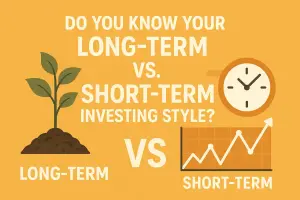
Why These Benefits Matter for Different Investor Types—Long-Term vs. Active Traders
If you’re long-term, ETFs provide low-cost diversification without much fuss. For active traders, ETFs’ liquidity and intraday tradability allow tactical plays. I personally mix both approaches—holding core ETFs for 3-5 years while occasionally trading thematic ETFs for short bursts.
Getting Started / How to Begin
Assessing Your Investment Goals and Risk Tolerance
What surprised me early on was how crucial it is to know your own appetite for risk. Are you saving for retirement in 15 years or looking to make quick profits? Your goals dictate your ETF picks. For example, if you want steady growth, broad-based ETFs like Nifty BeES or Sensex ETFs suit; if you seek sector bets, choose niche ones.
Choosing the Right Brokerage Account: Features to Look For
You’ll want a platform with low brokerage fees, a user-friendly interface, and solid research tools. I used Zerodha for years because it charged flat ₹20 or 0.03% per trade with no hidden fees. Other platforms like Groww and Upstox also offer good options. Some platforms now offer margin trading and instant funds, which can be handy for active trading.
Understanding ETF Ticker Symbols and NAV vs. Market Price
ETFs have ticker symbols like stocks. For instance, the Kotak Nifty ETF trades as KOTAKNIFTY on NSE. NAV (Net Asset Value) represents the fund’s actual asset value per unit, calculated after market hours, while the market price fluctuates during trading. Sometimes ETFs trade slightly above or below NAV, known as tracking error. I learned not to chase trades when the spread is large.
Learning Basic Order Types and Bid-Ask Spreads
You should know market orders, limit orders, and stop orders. I prefer limit orders for ETFs with lower liquidity to avoid paying a premium. Bid-ask spread—the difference between buy and sell price—can add hidden costs, especially for niche ETFs. For example, an ETF with ₹50 bid and ₹51 ask means you pay a ₹1 spread.
Paper Trading or Using Demo Accounts Before Real Money
Before risking ₹10,000 or ₹50,000 of your own money, try paper trading on platforms like Investopedia Simulator. This helps you understand order mechanisms, watch price swings, and build confidence.
Step-by-Step Guide / Instructions
Opening and Funding a Brokerage Account
I opened my first Demat and trading account via Zerodha, which took about 3-5 business days. You’ll fill KYC forms, upload PAN and Aadhaar, and link your bank. Funding the account with at least ₹10,000 allows you to start trading.
Researching ETFs Using Reliable Sources
I used Morningstar, ETF. com, and the ETF provider’s fact sheets to evaluate options. Study the fund’s objective, top holdings, sector allocation, expense ratio, and performance over time. For instance, the Nippon India ETF Nifty 50 has an expense ratio of about 0.05%, according to its latest factsheet.
Analyzing ETF Holdings, Expense Ratios, Liquidity
Look at the fund’s liquidity (average daily volume), expense ratio (annual fee), and tracking error (deviation from the index). I avoid ETFs with very low volume—say below 50,000 shares a day—because it leads to higher bid-ask spreads.
Placing Your First Trade: Market Orders vs. Limit Orders
I placed my first trade using a limit order set near the NAV price to avoid overpaying. Market orders are fast but might fill at unfavorable prices, especially in volatile markets.
Monitoring Performance and Adjusting Your Portfolio
Tracking quarterly and adjusting your portfolio helps. I set calendar reminders every three months to rebalance. For example, if a sector ETF grows too big, I trim it and add to undervalued assets.
Keeping a Trade Journal Helped Me Track Decisions and Emotions
I started logging each trade’s rationale and outcome, which taught me to avoid impulsive mistakes—especially during volatile days like March 2020 when markets swung wildly.
Tools and Platforms Needed
Brokerage Platforms: Examples and Key Features
I’ve used Zerodha for its low fees, Fidelity for international access, and Interactive Brokers for advanced features. Robinhood is US-based but known for zero fees (not yet common in India). Each platform varies in order types, margin availability, and research tools.
ETF Screeners and Research Tools
Sites like Morningstar and ETF. com let you filter ETFs by expense ratio, asset class, or region. Yahoo Finance gives real-time prices and news. These tools saved me time in comparing options.
Charting Software and Alerts for Active Traders
For tracking trends, I used TradingView to plot candlesticks and set alerts for price movements. For a ₹50,000 investment, these tools may seem extra, but I found them crucial for timely decisions.
Mobile Apps for On-the-Go Management
Most brokers have apps letting you place orders during market hours (9:15 AM to 3:30 PM). I often review holdings on my phone during commutes and place quick trades if needed.
How Choosing the Right Tools Can Impact Trading Efficiency and Results
Good tools help avoid slippage, missed trades, and emotional decisions. But be wary of paying for expensive platforms if you’re just starting with ₹10,000-₹50,000 capital.
Best Practices / Tips
- Diversify Your ETF Holdings
I believe spreading investments across equity, bond, and commodity ETFs helps manage risk. This works best over 3-5 years. However, it might dilute high returns you’d get by focusing on a single sector. - Watch the Expense Ratio
A difference of 0.2% annually on an ₹1 lakh investment is ₹200—small but compounding over years adds up. I avoid ETFs with more than 0.5% fees unless there's a strategic reason. - Use Limit Orders Over Market Orders
Limit orders ensure you don't pay more than you want. In volatile markets, I once bought a sector ETF at ₹110 instead of ₹115, saving ₹5 per unit. - Keep an Eye on Bid-Ask Spreads
Narrower spreads mean lower hidden costs. For example, the Nifty BeES ETF often has a spread of just 5 paise, but niche ETFs can have spreads of ₹1 or more. - Stay Informed About Underlying Assets
If you hold a Pharma sector ETF, keep an eye on policy changes or drug approvals. It’s a way to anticipate ETF price moves without monitoring hundreds of stocks. - Rebalance Periodically
I rebalance quarterly to maintain my target asset allocation. It keeps me from being overweight in a hot sector and reduces risk but may incur brokerage fees. - Be Mindful of Market Timing
Jumping in and out based on news can hurt you. Consistent investing—like monthly SIPs in ETFs—is often better. The drawback: missing short-term opportunities.
Common Mistakes to Avoid
- Confusing ETF Market Price with NAV
I once bought an ETF trading at a 2% premium without realizing it. You want to check both figures and avoid large premiums. - Ignoring Liquidity and Trading Volumes
Low volume ETFs can trap you with bad pricing. Always check average daily volume before trading. - Overtrading Leading to Excessive Fees and Tax Liabilities
I learned not to churn ETFs frequently; brokerage fees and taxes eroded my gains during my early trading days. - Selecting ETFs Solely Based on Past Performance Without Understanding Risks
A hot ETF last year might not suit your goals or risk tolerance. Look deeper than returns. - Neglecting to Research Underlying Holdings and Sector Exposures
Blindly investing in thematic ETFs without knowing holdings can backfire if sectors stumble. - Failing to Set Realistic Goals or Exit Strategies
Without a clear plan, you might hold loser ETFs too long or sell winners too early.
Risk Considerations
Market Risk and Price Volatility Inherent in ETF Trading
ETFs are subject to market fluctuations just like stocks. During the 2020 market crash, I saw my ETFs drop 30% in weeks.
Tracking Error and How It Affects Returns
Sometimes ETFs don’t perfectly track their indices due to expenses and management style. It’s usually small but important for precision.
Risks Specific to Leveraged and Inverse ETFs
These aim for multiples of returns daily and can magnify losses. I avoid them unless I’m doing a specific short-term trade.
Currency Risk for International ETFs
Holding a US-market ETF via Zerodha might expose you to forex risk—INR fluctuations can affect your returns beyond stock price moves.
Understanding Liquidity Risk, Especially with Niche ETFs
Small ETFs may have no buyers when you want to sell, forcing you to accept lower prices.
Risk Management Techniques
Using stop-loss orders and limiting position sizes helped me cut losses early.
Tax and Legal Considerations
Tax Treatment of ETF Dividends and Capital Gains in Different Jurisdictions
In India, equity ETFs follow equity tax rules: Long-term capital gains over ₹1 lakh are taxed at 10%. Short-term gains are 15%. Dividend income is added to your taxable income.
How ETFs’ Unique Structure Offers Tax Advantages Compared to Mutual Funds
ETFs’ in-kind redemption limits capital gains distributions. I found this helpful in reducing my tax outgo compared to regular mutual funds.
Reporting Requirements and Timelines
Keep track of trade dates and amounts to file returns accurately by July 31. Brokerage platforms like HDFC Securities provide consolidated statements which I rely on.
Legal Implications for Leveraged/Inverse ETF Trading
Some ETFs carry regulatory constraints and risks. Read the prospectus carefully.
The Importance of Consulting a Tax Professional
If you have a portfolio worth ₹5 crores, consulting a chartered accountant is wise.
Who Should Avoid / Limitations
- Investors Looking for Guaranteed Returns or Risk-Free Investments
ETFs still have market risks and no guaranteed payouts. - Those Unwilling to Learn ETF Structures and Trading Basics
ETF trading is not “set and forget.” Without understanding, you may face losses. - People with Very Short-Term Liquidity Needs
ETF prices fluctuate daily, so withdraw funds only when you can accept market risk. - Limitations: Hidden Fees
Bid-ask spreads and tracking errors can erode small returns unnoticed. - Not the Best Fit for Hands-Off Investors
If you want professionally managed funds, mutual funds might suit better.
FAQs
- What Is the Difference Between an ETF and a Mutual Fund?
ETFs trade like stocks with real-time prices; mutual funds price once daily. ETFs often have lower costs and intraday liquidity. - Can I Trade ETFs After Market Hours?
Generally, ETFs only trade during market hours (9:15 AM–3:30 PM). Some international markets offer extended hours. - How Do Expense Ratios Affect My ETF Returns?
Higher expense ratios reduce your returns annually—over 5 years, this can amount to thousands of rupees on ₹1 lakh invested. - Are Leveraged ETFs Suitable for Beginners?
No, they are complex and risky due to daily resetting of leverage. - What Happens If the ETF Provider Shuts Down?
The fund usually liquidates, and you get back your assets’ value or units to reinvest. - Is It Better to Trade ETFs Daily or Hold Long-Term?
Depends on your goal. Long-term holding reduces costs, daily trading requires more expertise and might increase fees. - How Do Dividends From ETFs Get Paid?
Dividends are usually paid into your brokerage account quarterly or annually, depending on the ETF.
Conclusion
Trading ETF stocks can be a practical way to diversify your portfolio while maintaining liquidity and keeping costs low. Starting with a clear grasp of what ETFs are, how to pick them, and using the right tools will help you navigate this terrain better. Remember, trading is a learning curve; keeping a journal or reviewing investments quarterly made a huge difference in my own journey. If you prefer practical, experience-based insights over hype, this guide should help you decide better. Explore further, adjust to your style, and take your time with it.
If this topic interests you, you may also find this useful: "Beginner’s Guide to Mutual Fund Investing in India" and "How to Build a Balanced Portfolio with SIPs."
Ready to dive in? Subscribe to my newsletter for more practical investing guides and follow me for ongoing updates that help you grow your financial horizons.