
A Simple Guide to Trading Stocks for Beginners
Introduction
Over the years, I’ve learned that trading stocks isn’t just about luck or quick wins—it’s a skill you develop with time, patience, and a solid plan. I still think back to my first few trades, feeling overwhelmed by charts and jargon, wondering if I’d ever get the hang of it. What helped me most was rolling up my sleeves, studying real market trends, and being okay with making mistakes along the way. In this guide, I’m sharing practical tips and honest lessons from my own trading journey to help you trade smarter and build confidence in your decisions. Whether you’re just getting started or want to refine your approach, there’s something here for you.
Getting to Know Stock Trading
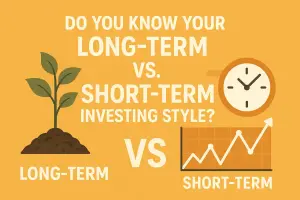
So, what’s trading stocks really all about? At its simplest, it means buying and selling shares of companies you can find on the stock market, trying to profit from the ups and downs in their prices. Unlike the long-term investing style where you hold onto shares for years, trading happens on much shorter timelines—sometimes minutes, sometimes weeks. I quickly learned that understanding this difference is key because trading requires you to think fast and stay actively involved with your portfolio.
Traders have a whole set of tools to navigate the market—things like market orders, limit orders, bid-ask spreads, and reading candlestick charts come into play, along with tracking how volatile the market can get. When I first got into trading, I spent countless mornings watching how the Nifty 50 and Sensex jumped and dipped especially in those first intense minutes after the 9:15 AM market bell. That opening hour is where you can find some solid chances to make moves—but if you’re not paying attention, it can catch you off guard too.
From my own experience, diving into trading without understanding these basics often ends up costing you. Take the bid-ask spread for instance—new traders might not realize they’re actually paying a little extra to buy shares or getting a bit less when they sell because of that gap. Getting a grip on these fundamentals saved me from making rushed trades and helped me keep my cool in the market.
Market prices can jump or drop 2-3% in just a few hours—or even minutes if you're into quick trades. These fluctuations can offer chances to make money, but they definitely keep your heart rate up. What’s helped me is knowing how much risk I’m comfortable with before diving in. That way, I don’t panic every time the numbers bounce around.
Why Trading Can Be Worth It
So, you might wonder, why bother trading stocks instead of just investing and sitting tight? From my experience, trading comes with a few perks that investing alone doesn’t offer:
- Quicker profit opportunities: Unlike a long-term investor who waits years for returns, trading can yield gains in days or weeks if you spot the right setup.
- Increased liquidity: You’re free to move in and out of positions swiftly, allowing you to respond to market changes and personal cash needs.
- Strategy diversification: You can implement various approaches—like swing trading, momentum trades, or short selling—to respond to different market conditions.
- Financial discipline and awareness: Trading forces you to develop routines, keep track of news, and sharpen analytical skills. This kind of market engagement is educational and empowering.
Here’s the thing about trading—it’s not some quick way to get rich. I’ve had my share of wins and losses, and I quickly realized treating it like a roll of the dice only leads to frustration. What really counts is learning how to read the market’s mood and getting comfortable managing risk.
Trading also taught me a lot about financial discipline. Once I got serious, I started reviewing my trades every few months and keeping detailed notes on what worked and what didn’t. Those habits didn’t just help me trade smarter—they reshaped the way I approach money in general.
How to Get Started
If you’re not sure where to start, here’s what I’ve found works best from my own experience:
First, figure out your financial goals and how much risk you’re comfortable with. Ask yourself: what’s the amount you’re okay risking? Many brokers like Zerodha or Groww let you start with as little as ₹500, but realistically, I’d suggest starting with at least ₹10,000. It gives you a bit more breathing room to make trades and spread out your investments.
After that, open a Demat account with a broker you trust. Each platform has different fees, so it’s worth digging into details like brokerage charges (usually around ₹20 per trade or 0.03% for intraday), annual maintenance fees (typically ₹300 to ₹600), and other transaction costs. Personally, I’ve found Angel One and HDFC Securities handy since their research tools really help when you’re just starting out. Interactive Brokers has some of the lowest fees, but it can be a bit tricky to get the hang of at first.
The best place to start is by learning the ropes without risking your cash. I spent around three months using paper trading simulators offered by platforms like Upstox and some standalone apps. These let you experiment with different strategies and get a feel for the market, all without putting real money on the line. Honestly, those practice trades gave me the confidence to finally invest ₹50,000 for real.
When you’re ready to dive in, keep it simple at first. Try making just a handful of trades each week, starting with around ₹5,000-₹10,000 worth of stocks. It’s the best way to see how your approach holds up and adjust as you go without feeling overwhelmed.
If you’re interested in this, you might want to check out my guide on "How to Open and Manage Your Demat Account for Trading." It’s packed with tips to get you set up smoothly.
How I Approach Trading: A Simple Step-by-Step Guide
Let me share the exact steps I’ve followed over the years to trade stocks successfully. It’s not rocket science, but it does take some focus and a methodical approach.
- Research and Select Stocks: Choose shares based on your preferred style—day trading, swing trading, or positional trading. I usually scan for stocks with daily volume above 1 million shares because liquidity reduces slippage. I also focus on companies listed in the Nifty 50 or mid-cap indices for better volatility.
- Analyze Entry and Exit Points: Use technical analysis tools like RSI (relative strength index), moving averages (20-day, 50-day), and MACD (moving average convergence divergence). During volatile times, I look for signals in the 9:30 AM to 10:30 AM time window to enter positions. News also matters; earnings reports or government policy announcements often move prices significantly.
- Place Your Order: Choose the order type wisely. Market orders execute immediately but might cause you to buy at a higher price in fast markets. Limit orders set the highest price you’re willing to pay or the lowest price you’re willing to sell. Stop-loss orders help automate exits to limit losses. In my first years, I underestimated the importance of stop-loss and lost up to 10% in a single trade when markets dipped unexpectedly.
- Monitor Trades Actively: Once your trades are live, keep an eye on price action, volume, and market news. Over the years, I found that reviewing positions twice a day—at market open (9:15 AM) and before close (3:20 PM)—helps me avoid surprises.
- Close Positions: Decide when to book profits or cut losses. I set mental targets or use limit orders to sell at predefined gains, say 5-7%, or exit if losses hit 3%. Discipline here has saved me from turning a small loss into a big one multiple times.
Each step requires patience and self-control. I learned that the hard way—jumping into a trade on a whim led me to lose ₹15,000 in one day because I skipped doing the proper homework. Trust me, rushing doesn’t pay off here.
Essential Tools and Platforms
Picking the right trading tools really makes a difference. Over the years, I’ve tested quite a few platforms—each has its quirks, strengths, and drawbacks. Finding the one that fits your style and needs is key.
Look for:
- Real-time data: Platforms like Zerodha Kite and Upstox Pro deliver live market data with minimal lag.
- Customizable charts: Being able to apply multiple indicators simultaneously helps technical analysis.
- Quick trade execution: Especially if you do intraday trading, delays can cost you.
- Research tools: HDFC Securities and Angel Broking offer in-built fundamental and technical reports.
Using extra tools can give you a sharper edge and help you stay ahead:
- Stock screeners, such as those on Moneycontrol or Screener.in, let you filter stocks based on volume, P/E ratios, or price movement.
- News aggregators like Bloomberg Quint or Economic Times apps keep you updated.
- Financial calendars highlight earnings reports, RBI rate decisions, or macroeconomic data releases.
I've noticed that the platform’s user interface really makes a difference. Take Interactive Brokers, for example — it's packed with powerful tools, but when I first started, it felt like learning a new language. On the other hand, Zerodha’s interface was much easier to navigate, even if some trades came with slightly higher fees. Another thing that caught me off guard was how the platform responded during busy market hours. If the execution slows down or glitches during big price swings, you could end up with slippage or miss out on a solid trade.
Tips That Actually Work
Over time, I’ve picked up a few practical tips that really helped me, along with why they matter—and some of their downsides. I’m sharing the real deal here, no fluff, just what’s worked and what to watch out for.
- Start with a Trading Plan: Define your goals, time horizon, risk limits, and entry/exit criteria. This reduces emotional decisions when markets swing. I follow my plan strictly but found that too rigid plans can cause you to miss unexpected moves.
- Use Stop-Loss Orders: Protects your capital and limits losses automatically. Essential in volatile markets like ours. But stop-loss orders can trigger prematurely due to minor fluctuations, which can be frustrating.
- Keep Emotions in Check: Emotional reactions often cause poor decisions. I practice journaling and mindfulness to stay objective. Still, emotional control is a continuous effort, not a one-time fix.
- Diversify Trades: Don’t put all your capital into one stock or sector. Spreading out investments reduces severe impact from a single stock falling. On the flip side, too much diversification may dilute your focus and potential returns.
- Continuously Learn: Markets change and strategies must evolve. I regularly read financial news, books, and watch webinars. But beware of getting overwhelmed—too much info can cause analysis paralysis.
- Manage Position Size: Trade amounts should be relative to your total capital, often 2-5% per trade. This limits exposure and protects your portfolio during losses. The downside is smaller positions might reduce profit potential if the trade goes well.
- Review and Adapt: I keep a trade journal to record what worked and what didn’t. This honest review is time-consuming but crucial for improvement.
Mistakes You’ll Want to Dodge
Speaking from what I’ve seen over the years, there are a few costly missteps traders tend to trip over more often than they should.
- Chasing Trends Impulsively: Jumping into a hot stock without proper analysis can wipe out gains fast.
- Ignoring Stop-Losses: I learned the hard way that failing to use stop-loss leads to bigger losses.
- Overtrading: Trying to be in every move increases transaction costs and fatigue.
- Lack of Clear Strategy: Trading without a defined plan is like driving blind.
- Falling Prey to FOMO (Fear of Missing Out): Reacting emotionally to hype causes poor entries.
One thing I’ve learned is that setting clear trading rules before the market opens—like picking the stocks to focus on and deciding your entry points—really helps keep you on track throughout the day.
Risk Considerations
You’re probably wondering—how risky is it really?- Market Risk: Prices fluctuate unpredictably due to economic news, geopolitical events, or corporate actions.
- Liquidity Risk: Some stocks have low volumes, making it tough to execute trades without moving prices.
- Leverage Risk: Using margin or derivatives magnifies both gains and losses.
- Psychological Risk: Stress and emotional fatigue can impair judgment.
Over the years, I’ve had some gut-wrenching days when the Sensex suddenly dropped 3%, wiping out any profits I made earlier that day. It stings, but being mentally ready for these swings and setting stop-loss limits has saved me from panic. Those tough days ended up teaching me a lot instead of sinking my confidence.
Only ever trade with money you’re comfortable losing. That might be ₹10,000 for some, ₹1 lakh or more for others. I learned the hard way when I once used emergency funds for trading—a stressful mistake I’d strongly advise you to avoid.
Taxes and Legal Basics
If you're trading in India, here's a quick heads-up on taxes. Short-term capital gains tax (STCG) is set at 15% for equity trades held under a year. For long-term gains, anything above ₹1 lakh is taxed at 10%. On top of that, don’t forget about Securities Transaction Tax (STT), stamp duty, and brokerage fees—they all chip away at your actual profits. Knowing this helped me plan better and avoid any surprises during tax season.
Keeping track of everything is a must! I’ve found that using spreadsheets along with downloading transaction reports from my trading platform makes filing taxes way less painful. It’s saved me from digging through endless records and keeps all my profit and loss info a click away. Trust me, good recordkeeping is a game changer when it comes to staying on top of your filings.
Keep in mind that insider trading laws are no joke—trading based on information that's not public can land you in serious trouble. It’s best to play it safe and stick to the rules to avoid heavy penalties.
If your trading starts to get frequent or a bit complicated, it’s a smart move to chat with a chartered accountant who knows the ins and outs of Indian securities tax laws. They can help you navigate everything smoothly.
Who Should Think Twice or Be Careful
Trading isn’t something that clicks with everyone. If you find yourself...
- Lack time to monitor markets daily
- Are highly risk-averse
- Cannot handle emotional stress of losses
- Have limited capital to absorb drawdowns
...then it might be smarter to steer clear of active trading or at least keep it to a minimum. The trade-off? It takes a lot more of your time and mental energy compared to simply buying and holding investments.
From my experience, beginners should definitely avoid day trading. It demands sharp discipline, quick thinking, and some solid experience. I’ve seen plenty of newbies lose money during their first few months—trust me, it’s a tough start.
FAQs
Wondering how much cash you need to get started in stock trading?Honestly, you can begin with just a few hundred rupees if your broker allows it. But to make trades that actually matter and give you some breathing room, I’d say around ₹10,000 to ₹20,000 is a more realistic starting point.
So, is trading stocks really riskier than just investing for the long haul?Usually, yes—it’s because short-term trades happen fast and you’re riding the ups and downs of the market more closely.
So, what’s the best way to trade?There’s really no one-size-fits-all answer. It all comes down to what you want to achieve, how much time you can dedicate, and how much risk you’re comfortable taking.
Is it possible to trade stocks using just a mobile app?Absolutely! Apps like Zerodha Kite, Groww, and Upstox make it easy to trade stocks right from your phone, with plenty of tools to keep you on top of your game.
Handling losses isn’t easy, but the key is staying calm, learning from what went wrong, and not letting emotions drive your decisions. Everyone faces setbacks—it's part of the journey.
When you’re trading, it’s smart to have a plan and stick to stop-losses to keep risks in check. And if you do hit a loss, don’t see it as a failure—think of it as a lesson that’s going to make your next move smarter.
So, what kind of taxes are you looking at when you turn a profit from stock trading?If you sell stocks you’ve held for less than a year, those profits usually get hit with a short-term capital gains tax—right around 15%.
Is day trading a good fit if you’re just starting out?Usually, it’s not that simple. Day trading takes skill, patience, and the ability to make quick calls under pressure—things beginners often need time to develop.
Conclusion
Trading stocks can be a solid way to grow your money, but only if you come in with a clear understanding, discipline, and realistic goals. This guide covered the basics—how trading works, practical steps to get started, must-have tools, and common traps to avoid. Keep in mind, real success comes from steady learning and careful choices, not overnight gains. So, if you’re ready to dive into the stock market with more confidence, start small, stay curious, and enjoy the ride.
If you're curious about managing risks in stock investing, you might want to check out my guide on smart strategies for equity risk management. It offers practical tips that I’ve found helpful along the way.
Don’t forget to subscribe if you want more straightforward investing tips, and follow me for updates and real-world advice you can actually use!
If this topic interests you, you may also find this useful: https://www.growzera.com/blog/complete-guide-to-crypto-insurance-secure-your-digital-assets