
How to Trade Trading Stocks: A Practical Guide for Investors
Introduction
Over the past ten years, I’ve been deep in the world of investing, and I know firsthand that trading stocks can be thrilling and tricky all at once. I still remember my early days, staring at charts with a mix of confusion and curiosity. What really changed things for me was realizing the importance of having a solid plan before jumping into any trade. This guide is packed with down-to-earth advice based on real market experience and hands-on learning. Whether you’re just starting out or want to sharpen your skills, it’s made for anyone curious about trading stocks the smart way.
Understanding How Stock Trading Works
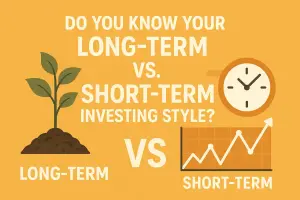
Trading stocks means buying and selling shares regularly, aiming to make money from price changes. It’s different from long-term investing, which usually focuses on a company’s fundamentals like profits and leadership. Trading is more hands-on, with styles like day trading, where you buy and sell within the same day, swing trading that stretches over a few days or weeks, and position trading that can last months. Each style comes with its own rhythm and strategy.
Something that caught me off guard when I first jumped into trading was just how much the market moves and how important it is to really understand how it works. Liquidity, for example, is a big deal—it’s all about how quickly you can buy or sell shares without messing with the price. Trading shares of a giant like Reliance Industries, which sees millions of shares traded every day on platforms like Zerodha or HDFC Securities, is a breeze compared to trying your luck with those tiny, less popular small-cap stocks that barely get any action.
The type of order you place can make a huge difference. Market orders go through right away at whatever price the stock is selling for, while limit orders let you pick the price you want but might never actually get filled if the market doesn’t hit that number. One thing I learned pretty quickly is that using stop-loss or stop-limit orders can save you from bigger headaches, especially when the market suddenly starts jumping around. Knowing when and how to use these tools is really key.
Trading moves quickly; from my experience, the market opening at 9:15 AM is when you’ll usually see the most action and price swings. It’s exciting but also where things get unpredictable fast. So, understanding these basics – like when the market pulse is strongest – is key before diving in headfirst.
2) Why Trading Makes a Difference
You might ask, why bother trading stocks instead of just buying and holding for the long haul? Trading lets you take advantage of short-term price changes, which means you can see results in days or weeks instead of years. It’s more hands-on, giving you the chance to tweak your portfolio regularly and, if you time it right, pocket some quicker profits.
From my own experience, trading really helped me develop a sharp eye for spotting market signals and managing risks—skills that turned out to be a huge advantage when I moved back to longer-term investing. For instance, getting into the habit of setting stop-loss limits around 2-3% taught me how to control losses. Later on, I applied that same cautious mindset to my mutual fund investments, which made a noticeable difference in how I handled risk.
Trading keeps you right in the thick of things—tracking market trends, following earnings reports, and digesting economic news every day. But fair warning: it takes a lot of time, focus, and emotional grit. It’s not the kind of investment strategy for those who like to set it and forget it. If you prefer a more hands-off approach, this might not be your cup of tea.
On the downside, frequent trading isn’t free. Platforms like Groww or Upstox charge brokerage fees—usually around ₹20 to ₹50 per trade, or sometimes a flat ₹20 plus a small percentage of your trade value. These charges can quietly eat into your profits if you’re not paying close attention, so it’s something you need to keep in mind before jumping in headfirst.
Market ups and downs can hit hard—and fast. I've been there myself, watching a ₹35,000 loss happen in a flash when I hesitated to sell a volatile large-cap stock during a sudden market dip. It was a tough lesson in how trading keeps you on your toes every minute.
3) How to Get Started
Thinking about jumping into stock trading? Here’s what I learned the hard way. First off, take a good look at your finances. Only put in money you can afford to lose without messing up your daily life. For me, that meant setting aside ₹50,000 as an emergency cushion before risking ₹10,000 on trades. It’s all about being smart, not reckless.
Next up, you’ll want to open a trading account tailored to your needs. From my experience, choosing a brokerage with fair fees and a reliable platform makes all the difference. Zerodha and HDFC Securities are favorites among Indian traders for a reason. I kept an eye on how user-friendly their apps were, especially on mobile, and how quickly trades went through—these matter a lot if you’re into day trading.
I can’t recommend paper trading enough. It’s basically practicing with fake money, so there’s no pressure or risk. I spent about three months logging my trades every day, analyzing what clicked and what flopped. This hands-on approach really helped me get a feel for reading charts and placing orders without sweating over real losses.
Building a watchlist was a game-changer for me. I focused on around 10-15 stocks I was familiar with, things like Infosys, TCS, and ICICI Bank. Keeping tabs on them regularly helped me notice patterns and how the market reacts to different news or events. It made watching the market less overwhelming and more actionable.
Finally, be clear about what you want to achieve. Are you hoping to earn around ₹5,000 a month on the side, or is your goal to build up solid trading experience over a year or two? Knowing your purpose helps you stay focused and avoid making rash decisions when the market gets tempting.
4) How I Approach It: Step-by-Step
Here’s a look at the exact steps I take when I dive into stock trading:
- Step 1: Research and choose stocks with sufficient volatility and liquidity. For example, stocks with an average daily volume of at least 5 lakh shares and price movements of 2-4% a day often suit active trading.
- Step 2: Analyze stocks using technical indicators such as Moving Averages (20-day, 50-day), Relative Strength Index (RSI), and chart patterns like head and shoulders or flags. I use platforms like TradingView integrated into Zerodha for this.
- Step 3: Define your entry and exit points carefully. I pick entry prices based on support levels and set stop-loss around 2% below entry to limit losses. Take-profit targets usually sit 3-5% above entry.
- Step 4: Place the trade using your brokerage's app or website. Choose order types wisely—limit orders to control price or market orders for speedy execution.
- Step 5: Monitor your position actively or set alerts to track price movements. Adjust stop-loss if the price moves favorably to lock in profits.
- Step 6: Close the trade at your target or cut losses early. Sticking to your plan saved me multiple times from emotional decisions under pressure.
5) Essential Tools and Platforms
Having the right tools can save you a lot of headaches on the road. Here are a few I always rely on to keep things running smoothly:
- A brokerage account with low commissions and fast execution—Zerodha charges ₹20 or 0.03% per executed order (whichever is lower), which is reasonable. I found high fees on other platforms eroded my small gains quickly.
- Real-time data feeds are essential because lagging info can cause missed opportunities. Most brokers offer basic quotes, but subscriptions to platforms like NSE or Moneycontrol for advanced data help traders spot moves promptly.
- Charting software with technical indicators is a must-have. TradingView offers excellent free and paid versions that I rely on. It integrates with many brokers and allows you to customize charts easily.
- News sources like Bloomberg Quint or Reuters India provide timely updates. Sudden corporate announcements or RBI policy changes can shift prices drastically within minutes.
- Some traders use algorithmic tools or scanners to automate screening for trade setups. Tools such as Smallcase or Trendlyne help identify trends and volume spikes, although they require a learning curve.
- Demo accounts or paper trading features are great for beginners. I recommend spending at least 3 months practicing there before committing money.
6) Practical Tips and Tricks to Know
Over the years and several trading cycles, I’ve picked up a few handy tips that really make a difference.
- Tip 1: Always use stop-loss orders. This limits downside risk. I set stop-loss around 1.5% to 3%, depending on stock volatility. The challenge is volatile markets sometimes trigger stops prematurely, leading to small losses, but it’s better than bigger drawdowns.
- Tip 2: Focus on liquid stocks. They’re easier to buy and sell without moving the price excessively. For example, Nifty 50 stocks generally have high liquidity. However, this can limit you from exploring fast-moving small-cap opportunities.
- Tip 3: Trade within your knowledge zone. For instance, I stick mostly to IT and banking sectors, because I understand their business cycles. This aids anticipating responses to market events but may limit diversification.
- Tip 4: Keep emotions in check. Emotional trading often leads to chasing losses or premature exits. I follow a daily checklist before trading and review my rationale to prevent impulsive moves. Still, managing emotions remains an ongoing challenge.
- Tip 5: Diversify trading strategies. Combining swing trades (holding 2-5 days) with position trades (weeks to months) balances risk and opportunity. Though managing multiple styles can get complex, I think it’s worth spreading exposure.
- Tip 6: Review and journal your trades regularly. Writing down your entry, exit, reasons, and lessons learned helped me identify patterns and repeated mistakes. It requires discipline but pays off in long-term improvement.
- Tip 7: Stay updated on market news. Real-time news feeds alert you to events that impact stocks. However, too much info can create noise and distraction. I recommend focusing on trusted sources and limiting consumption to market hours.
7) Mistakes That Trip Up New Traders
So many beginners dive in without doing their homework. I’ve been there—once I bought a tiny, fast-moving stock without checking how much it traded or how wild the swings were. Within hours, I’d lost 15% of my money. Lesson learned the hard way!
Overtrading is a trap I’ve fallen into more times than I care to admit. When you start making trades based on emotions instead of a clear plan, your money can disappear faster than you'd expect. It’s tempting to jump on every “hot tip” or “can’t miss” opportunity, but I’ve found it’s better to slow down and do your own homework before diving in.
Skipping risk management is a rookie mistake that can cost you big. If you don’t set stop-loss limits, those small losses can quickly snowball into something much worse. I learned the hard way that having a safety net isn’t just smart—it’s essential.
Ignoring market news is another pitfall that’s easy to make. Companies drop earnings reports and other announcements all the time, and these can shake up prices in a flash. I’ve lost money holding onto stocks way past their prime or selling too soon just because I wasn’t paying attention to the latest updates.
One thing people often overlook is how much the emotional side can hit you. You’ll face setbacks—that’s just part of the game. What really counts is how you handle them: take a breath, accept the loss, and learn from it instead of reacting on impulse.
8) Weighing the Risks
Stock trading isn’t without its dangers. Prices can jump or drop suddenly, triggered by everything from new economic reports and company announcements to changes on the global stage. You have to be ready for the unexpected.
Leverage can be both a blessing and a curse. When I tried margin trading on ICICI Direct, I saw firsthand how it can boost your profits—but it also made losses hit harder than I expected. Honestly, the added pressure just wasn't worth it for me, so I decided to steer clear of margin trading going forward.
Spreading out your bets and keeping position sizes in check definitely helps manage risk, but it doesn’t make you invincible. For me, sticking to no more than 10% of my trading capital on any one trade has been a good rule of thumb that avoids unnecessary exposure.
The mental game is just as tough as the numbers. I've noticed that stress and impulsive moves can tank your results faster than anything else. Setting daily loss limits and taking regular breaks has been a game-changer in keeping my head clear and my decisions sharp.
Keep in mind, the Indian stock market—especially Sensex and Nifty 50—tends to get jumpy around major budget announcements or RBI policy decisions, which happen every few months. If you’re trading or investing, it pays to know when these key dates are coming up to avoid surprises.
9) Tax and Legal Points You Should Know
When you make money trading stocks in India, it’s important to remember there’s tax on your profits. If you hold stocks for less than a year, short-term capital gains tax kicks in at 15%, plus any additional surcharge and cess. For gains on stocks held longer than a year, only amounts over ₹1 lakh are taxed differently—so it’s worth planning your trades with these rules in mind.
It’s really important to keep track of every trade you make—note down the dates, how much you bought or sold at, the brokerage fees, and any taxes taken out. I’ve found that platforms like Groww make this easier by letting you download detailed reports. It saves a ton of time when it’s tax season.
Some countries have special rules or require licenses if you trade professionally. India doesn’t have those restrictions right now, but if you find yourself trading regularly, it’s a smart move to chat with a Chartered Accountant. They can help you plan your taxes in a way that won’t leave you surprised later.
Don’t forget about the Securities Transaction Tax (STT). Usually, it’s around 0.1% on both buying and selling, and that little bit adds up when you’re trading frequently. Keep it in mind so you’re not caught off guard by extra costs.
10) Who Should Think Twice
Trading isn’t for everyone. If you find it hard to be patient, don’t handle risk well, or can’t commit the time needed to understand and keep up with the markets, this probably isn’t your best option.
Also, don’t go in expecting sure-fire profits. From my experience, relying only on trading to grow your money without a backup plan is risky business. The ups and downs can take a toll—not just on your wallet but on your nerves too. It’s easy to lose track and burn through capital faster than you’d like.
One big thing to keep in mind is the time commitment. Day trading can eat up several hours every day, and swing trading means you’ll need to check in regularly. If you’re juggling a full-time job or family responsibilities, it’s easy to feel overwhelmed or burned out.
It’s important to stay realistic. Even the pros hit rough patches and experience losses. The best way to start is small, learn as you go, and build your confidence bit by bit.
11) FAQs
Q1: How much money do I need to start trading stocks? A: You can get started with as little as ₹5,000 to ₹10,000, but having around ₹50,000 gives you a lot more flexibility and helps manage risk better.
Q2: What’s the difference between trading and investing? A: Trading is all about making moves in the short term—think days or a few weeks—trying to catch quick price changes. Investing, on the other hand, is about the long haul, focusing on a company’s strengths and potential to grow over years.
Q3: How do I pick stocks to trade? A: I’d suggest sticking to stocks that are easy to buy and sell, with price swings that give you chances to profit. It helps if you actually understand the company, too. Keep an eye on charts for patterns and stay updated on market news to spot when something interesting is coming up.
Q4: Can I trade stocks part-time? A: Definitely. If you can’t sit glued to the screen all day, swing trading is a better fit than day trading. Swing trading lets you hold onto positions for a few days or weeks, so you don’t have to monitor the market every minute during trading hours.
Q5: What happens if my stop-loss order doesn’t execute at the set price? A: When markets are moving quickly, your stop-loss order might not trigger at exactly the price you set—it can slip to a worse price. Think of it as a safety net that helps limit your losses, but it won’t always catch every fall perfectly.
Q6: Should I follow tips from stock newsletters? A: Tips from newsletters can be helpful, but don’t take them at face value. Always dig a little deeper and do your own homework. Following advice blindly could lead to unwanted surprises.
Q7: How do I handle trading losses emotionally? A: Losing money stings, but it’s part of the game. Try to look at your mistakes without anger, avoid trying to ‘get even’ by making rash trades, and stick to your plan. Keeping your cool is half the battle won.
12) Conclusion
Trading stocks can be an exciting way to build your wealth, but it’s not just about quick decisions or lucky guesses. It takes planning, discipline, and a willingness to keep learning as you go. From getting the basics down to managing your risks carefully, this guide will help you approach stock trading with a clear and steady mindset. If you’re thinking about giving it a try, start small, be patient with the process, and keep tweaking your strategy as you gain experience.
If you’re curious about this topic, you might want to check out my post on "Building a Diversified Investment Portfolio for Long-Term Growth." And for some hands-on advice, take a look at "The Best Brokerage Platforms for New Traders" to find the right fit for your trading style.
Wishing you all the best with your trading journey! Don’t forget to subscribe so you get fresh tips delivered right to your inbox. And if you want to keep up with regular updates on smarter investing and growing your money, be sure to follow me along the way.
If this topic interests you, you may also find this useful: https://www.growzera.com/blog/investing-in-cryptocurrency-for-financial-freedom-a-guide