
A Simple Guide to Investing in Index Funds for Everyday Investors
Introduction
I first came across index funds back in 2010, and honestly, I wasn’t looking for anything fancy. I just wanted an easy way to grow my savings without getting tangled up in the chaos of picking individual stocks. It surprised me how simple it was to get started—you just need about ₹10,000 to open an account, and suddenly you own a piece of the entire Nifty 50. Since then, index funds have become a dependable part of my investment mix, helping me stay calm when the markets get jittery. This guide shares not only the basics of investing in index funds but also lessons I’ve learned along the way, with tips for anyone who wants a straightforward, low-cost way to invest. Whether you’re just starting out or looking for a steady, no-fuss option, you’ll find clear advice here to help you take that first step.
Getting to Know Index Funds
So, What Are Index Funds Exactly?
Simply put, an index fund is a type of investment that follows a market index like the Nifty 50, Sensex, or the S & P 500. Instead of trying to outsmart the market, these funds aim to mirror the index’s performance by holding either all or a representative mix of the stocks within it. Imagine it like buying a whole basket of fruits at once rather than picking out individual apples or oranges—it's a straightforward, hands-off way to invest in the market as a whole.
Active vs. Passive Fund Management
You've probably heard about actively managed funds, where the fund managers roll up their sleeves to pick stocks they think will beat the market. On the flip side, index funds take a laid-back approach—they're passively managed, meaning they simply follow a market index without constantly buying and selling. Instead of trying to outsmart the market, their aim is to replicate its performance with as little hassle as possible.
Index Funds: Mutual Funds and ETFs Explained
Index funds mainly come as two types: index mutual funds and exchange-traded funds, or ETFs. With mutual funds, you invest directly through fund companies like HDFC or ICICI Prudential, and most times you’ll need to start with a SIP of ₹500 or ₹1,000. ETFs work a bit differently—they trade on stock exchanges like NSE or BSE, so you’ll have to set up a Demat account with platforms such as Zerodha or Groww to buy them. ETFs usually have lower fees and let you trade during the day, but mutual funds are simpler when it comes to setting up automatic monthly investments.
Why Passive Investing Works
I’ve been putting money into index funds since 2010, and what’s clear to me is that passive investing suits anyone thinking long-term. Trying to time the market? That’s a tricky game that’s more likely to cost you money and cause stress. Passive investing keeps things steady—focusing on steady growth, low costs, and spreading your bets widely. Over 3 to 5 years (or more), it’s a reliable way to build wealth without the drama.
Why Low Costs Make a Big Difference
Lower Fees Mean More Money Growing in Your Account
The first thing that struck me about investing in index funds was how much cheaper they are compared to actively managed funds. Most index funds I’ve used have annual fees around 0.05% to 0.15%, while actively managed ones can easily charge over 1.5%. That might not sound like a huge gap, but over the years, those savings really add up—think several lakhs in your pocket. By keeping fees low, more of your money stays working for you, growing quietly in the background.
Spreading the Risk with Diversification
Instead of betting everything on one stock, index funds give you a slice of 50 to 500 companies, depending on the index. When the Sensex took a 10% nosedive back in 2020 during the pandemic, my index funds did feel the pinch but didn’t tank like some single stocks in my portfolio. That mix really cushions the blow and keeps the ups and downs less dramatic, which is pretty important if you’re trying to balance risk without sacrificing returns.
Steady Growth You Can Count On
Index funds might not make you rich overnight, but they offer steady, market-level growth that’s hard to beat. Take the Nifty 50 index, for example—it’s averaged about 12% annual returns over the last ten years. From my experience, holding an index fund like the Nippon India Nifty 50 ETF gave me returns pretty much in line with the benchmark after fees, which felt like a solid, no-fuss way to invest.
Simple and Clear to Follow
What I appreciate most about index funds is how transparent they are. You can easily see which stocks they hold, check out the expense ratio, and track how closely they follow the index. That kind of openness made me feel more comfortable compared to some other funds where the managers’ moves were pretty much guesswork.
Perfect for Busy Schedules: Hands-Off Investing That Works
Balancing work and family keeps me on my toes, so I really value how index funds don't need constant attention like picking individual stocks does. Once I set up a monthly ₹15,000 SIP through Groww, I could just relax and let it do its thing. No daily stress over market ups and downs—just steady growth happening quietly in the background.
How to Get Started
Set Your Investment Goals Clearly
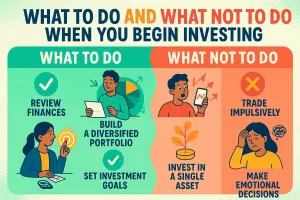
Before jumping into your first index fund purchase, take a moment to figure out what you really want to reach. Are you saving for retirement in 15 years, or maybe collecting a down payment for a house in five? Knowing your timeline and what you want to achieve will make it easier to pick funds that fit your comfort with risk and your financial plan.
Know Your Risk Comfort Level
Not every index fund fits every investor's style. Take a broad-market index fund like the Nifty 500—it covers a lot of ground but can be a rollercoaster ride. On the other hand, a large-cap fund such as the Nifty 50 usually swings less wildly. I’d recommend trying out the tools on platforms like Zerodha or HDFC Securities to get a feel for how much market volatility you can actually live with.
Take a Good Look at Your Portfolio
If you’ve already got some stocks, debt funds, or gold in your portfolio, it’s worth pausing to see where everything stands before jumping into index funds. From my experience, having a mix of index funds and some fixed-income investments helped me stay calm when the markets got a bit shaky. It’s all about finding your balance.
Choosing the Right Index Fund for You
There are plenty of choices out there—from the SBI Nifty Index Fund to the Motilal Oswal NASDAQ 100 ETF. When I pick a fund, I usually go for ones that follow well-known indices, have low expense ratios (ideally below 0.15%), and trade actively so I can buy or sell without a hassle.
Know the Minimum Investment and How to Get Started
Most mutual fund SIPs kick off at just ₹500, making them pretty accessible. But if you’re interested in ETFs, you’ll need a Demat account, which usually runs about ₹300-₹500 a year to keep active. I set mine up with Zerodha back in 2017, and honestly, it was pretty hassle-free—just had to send over my Aadhaar, PAN, and bank details, and I was good to go.
The Sooner, The Better: How Regular Investing Pays Off
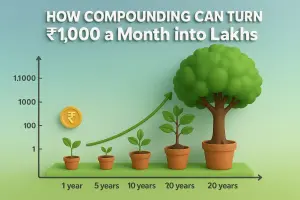
One lesson that really stuck with me is that staying invested over time beats trying to pick the perfect moment. For example, starting a ₹10,000 SIP at 25 can end up outperforming a one-time ₹1 lakh investment at 40. Chipping in steadily helps smooth out the market’s ups and downs and takes the pressure off trying to time everything perfectly.
How to Do It Step by Step
-
Choose the Right Brokerage Platform
For Indian investors, platforms like Zerodha, Groww, and HDFC Securities are popular choices. I personally use Zerodha because its ₹20 or 0.03% brokerage per order fits my low-cost strategy. -
Research Index Funds Matching Your Strategy
Use fund screeners available on Groww or Morningstar India to compare expense ratios, tracking error, and past returns. I paid close attention to tracking error—something under 0.1% is ideal. -
Open and Fund Your Account
Complete KYC on your chosen platform, link your bank account, and ensure you have at least ₹10,000 ready to invest for the first transaction. -
Place Your Order for the Selected Index Fund
If purchasing an ETF, place a buy order during market hours—usually between 9:15 AM and 3:30 PM. For mutual funds, set up your SIP or lump sum investment with your preferred fund house through the platform. -
Set Up Automatic Contributions
I strongly recommend automation. Schedule monthly SIPs of ₹5,000 or more to benefit from rupee cost averaging. Automation helped me avoid emotional buying or panic selling during market dips.
Keep an Eye Without Driving Yourself Crazy
I usually review my portfolio once every few months, right after the quarter ends. Checking it then helps me stay up to date without getting caught up in the day-to-day market ups and downs. It’s a simple way to stay informed without the stress.
Essential Tools and Platforms
Top Brokerage Platforms to Know
While Vanguard and Fidelity are big names internationally, here in India, Zerodha, Groww, Upstox, and HDFC Securities are the go-to players. I’ve found Zerodha’s console really handy for digging into portfolio details, especially if you like statistics. On the other hand, Groww’s app is incredibly straightforward, perfect if you’re just starting out and want something simple without the hassle.
Fund Screener Tools
Morningstar India and Moneycontrol have handy fund screeners that let you filter by things like expense ratio, asset size, and tracking error. I found these really useful for steering clear of funds with expense ratios above 0.2% or those that didn’t have enough liquidity to keep things smooth.
Portfolio Trackers
While apps like Quicken and Investyzer get a lot of attention, I usually stick with good old Excel to keep track of my returns and asset allocation. I update my spreadsheet every few months, which helps me stay on top of the numbers without any fuss.
Retirement Calculators That Work
Try using calculators on ClearTax or ET Money to get a good idea of how your index fund SIPs might grow over 10, 20, or even 30 years, assuming average returns between 8% and 12%. It’s a simple way to set realistic expectations and plan your investments better.
Track Investments with Mobile Apps
Having quick access to your fund details on apps like Groww or Zerodha makes a big difference when you want to make informed decisions or add to your investments during a market dip. It’s handy to check numbers on the go, especially when timing matters.
Handy Tips for Your Trip
- Diversify Across Different Indexes
Portfolio diversification remains key. While Nifty 50 captures large caps, I also include Nifty Midcap 150 and Bharat Bond ETF. Diversification reduces risk but might slightly dilute the highest returns. - Keep Costs Low
Expense ratios between 0.05% and 0.15% are reasonable. I avoid funds with fees above 0.2% because over years, these fees significantly eat into returns. The downside? Sometimes the cheapest funds track the index less precisely. - Invest Regularly (Dollar-Cost Averaging)
₹10,000 monthly SIPs helped me accumulate units both when Nifty was up and down. This reduces the risk of mistimed lump sum investments. On the flip side, regular investing might yield lower returns in sustained bull markets. - Reinvest Dividends
Compounding dividends can boost your corpus by 1-2% annually. Most platforms offer automatic dividend reinvestment, but watch out for tax on dividends, which is taxed at 10% beyond ₹5,000 per year. - Stay Patient and Avoid Frequent Trading
Index funds are designed for buy-and-hold. Frequent trading increases brokerage fees and disrupts compounding. The challenge is resisting temptation to switch during volatile markets. - Review Portfolio Annually
Life events might change your goals or risk tolerance. I review my holdings every January, making small tweaks if needed. But beware overreacting to short-term swings. - Use Tax-Advantaged Accounts
If you have access to EPF, PPF, or NPS, combine those with index funds held in equity-linked savings schemes (ELSS) for tax benefits under Section 80C. Limitation: Contribution caps can restrict amounts.
Common Travel Slip-Ups to Watch Out For
- Chasing Past Performance
I’ve noticed some investors jump into funds after spotting a 3-year return of 20%+. But past returns don't predict future results. This chase often leads to buying expensive units near market peaks. - Ignoring Fees
High expense ratios quietly erode gains. I recall regretting picking a fund with a 1.2% fee, which reduced my net returns by several percentage points annually. - Trying to Time the Market
Waiting for a 'perfect' entry point slowed my investing in 2014 and 2017, causing missed gains. Market timing is tough, even for pros. - Over-Concentration in One Sector
Index funds reduce stock-picking risk, but sector-heavy indexes can expose you to specific risks. For example, a fund heavy in IT stocks may suffer if that sector underperforms. - Neglecting Tax Implications
Not planning for capital gains tax on selling units can surprise you. For instance, short-term gains on equity index funds held less than one year are taxed at 15%, impacting net returns. - Skipping Emergency Funds
Investing money you might need soon is risky. I recommend having at least ₹50,000 or 3-6 months of expenses liquid before starting SIPs to avoid forced selling.
Risk Considerations
Market Risk
Index funds follow the market, which means they go up and down just like the rest of us. During the 2020 pandemic crash, I watched my portfolio drop about 25% before it bounced back. You’ve got to be ready to ride out those dips without panicking.
Liquidity Risk
Most index ETFs on the NSE tend to have solid trading volumes, which makes buying and selling fairly straightforward. But if you’re looking at smaller funds, be prepared for wider bid-ask spreads—that’s when the difference between what buyers want to pay and sellers want to accept can get a bit annoying.
Tracking Error
No index fund nails the exact index returns every time. I’ve seen some lag just a tiny bit—about 0.05% to 0.2% off. It might seem minor, but I always check this tracking difference before putting my money in. It’s a small detail that can add up over time.
Figuring Out Your Risk Comfort
Before diving in, ask yourself: Could you handle a 20-30% dip in your investments without hitting the panic button? If that sounds tough, it might be worth mixing in some bonds or hybrid funds alongside your index funds to keep things steady.
Mix It Up Beyond Index Funds
In my own portfolio, I like to spread things out by including bonds, gold ETFs, and a few individual stocks. It helps balance risk and keeps the ride smoother. If you want to dig deeper, check out my post: "How to Build a Diversified Portfolio for Steady Growth."
Taxes and Legal Things to Know
How Dividends from Index Funds Are Taxed
If your dividends add up to more than ₹5,000 in a year, there's a 10% tax deducted at source (TDS). Make sure to keep track of all your dividend payments so you can file your taxes without any surprises.
Capital Gains Tax
- Short-term capital gains (holding less than 1 year) on equity funds are taxed at 15%.
- Long-term gains (held over 1 year) above ₹1 lakh are taxed at 10%.
Knowing how these work can help you time your sell-offs better and keep more money in your pocket.
Tax-Saving Investment Options
Investing in ELSS mutual funds, PPF, NPS, or tax-saving ETFs can lower your tax bill. Just keep in mind that ELSS comes with a three-year lock-in period, so your money will be tied up for a bit.
Keeping Track and Reporting
I always make sure to download my quarterly statements from Zerodha or Groww—it makes tax season way less stressful. Having those records handy means you’re not scrambling last minute to sort things out.
Legal Regulations
SEBI keeps an eye on mutual funds and ETFs to protect investors, which is reassuring. That said, scams still pop up from time to time. My advice? Always stick to registered platforms when investing—it's the best way to avoid getting caught up in any fraud.
Get Advice from a Tax Pro
Tax rules can shift on a dime. Having an expert take a look can help you make smarter moves and keep everything above board.
Who Should Think Twice or Set Limits
- Seeking High Short-Term Returns
If you want quick profits or 'top picks,' index funds may feel slow or boring. - Desiring Active Control
Investors who want to handpick stocks, sectors, or themes might find index funds limiting. - Unwillingness to Accept Market Volatility
Index funds fluctuate with the market. If you panic at every correction, this might not suit you. - Lack of Customization
You buy the whole market, including underperformers. This lack of choice can frustrate some investors.
FAQs
How much do you need to start investing in index funds?
When you’re starting out, most mutual funds ask for a minimum monthly investment of around ₹500 through a SIP (Systematic Investment Plan). If you’re looking at ETFs, you’ll have to buy at least one unit, which usually costs ₹1,000 or more, depending on the fund. It’s a pretty accessible way to jump in without burning a hole in your pocket.
Is it possible to lose money with index funds?
Yes, index funds mirror the market’s ups and downs, so if the market takes a dive, your investment will too. But holding on for around 3 to 5 years or longer typically helps even out those rough patches.
How often should I look at my index fund investments?
Checking in every few months—say, quarterly—is usually plenty. Keeping an eye on things too often can make you worry unnecessarily or push you into quick, impulsive moves.
Should You Choose Index Funds or ETFs?
Both index funds and ETFs track the same market indexes, but they work differently. ETFs trade like stocks throughout the day, giving you the freedom to buy or sell whenever the market is open. Index mutual funds, on the other hand, make it easier to set up automatic investments, like monthly SIPs. Which one’s right for you often depends on what fits your schedule and budget better.
How Do Index Funds Actually Pay You?
When dividends are declared, you can either pocket the cash or reinvest it to grow your investment. Plus, if you sell your fund units for more than you paid, that difference is your capital gain.
Can I start investing in index funds with a small amount?
Definitely! You don't need a big lump sum to get going. With SIPs starting at just ₹500, you can build your investment step by step without stretching your budget.
Should You Mix Index Funds with Other Investments?
From my experience, it’s a smart move. Pairing index funds with things like bonds or a bit of gold can help smooth out the bumps when the market gets rocky.
Conclusion
Thinking back on my own investing path, index funds have been a reliable cornerstone for building wealth steadily. They’re an easy, cost-effective way to own a slice of the market without having to constantly watch it. If you start early, contribute regularly, and stay patient, index funds can be a great fit for your financial goals. This guide is based on real-world experience, not just textbook advice. Ready to get started? Subscribe for straightforward tips and portfolio ideas, and follow the blog for more personal finance insights and practical wealth strategies.
If this topic interests you, you may also find this useful: https://www.growzera.com/blog/smart-money-management-tips-for-passive-income-success