
Investing Your Way to Financial Freedom: What You Need to Know
Introduction
When I first started thinking seriously about financial freedom, it seemed like something only a lucky few could achieve—or maybe folks who got a head start with family money. But as time went on, I realized it wasn’t about luck at all. It’s about making smart, steady choices over time. For example, back in 2015, I set up a monthly investment of ₹10,000 through a SIP on Zerodha. At first, it didn’t feel like much, but seven years later, those contributions started paying off, covering a big part of my monthly bills without me having to lift a finger. That experience really drove home why understanding how to invest is so important if you want financial freedom. I’ve put together this guide based on my own investments, market observations, and hands-on experience. Whether you’re just testing the waters, have some experience, or are committed to building real wealth, you’ll find practical, straightforward advice to help you move forward.
What Financial Freedom Really Means
What Does Financial Freedom Actually Mean?
Financial freedom can mean different things to different folks, but at its heart, it means having enough income from your investments or assets to cover your everyday expenses—without needing a paycheck. It’s not just about stashing cash away; it’s about making your money work for you. When I first heard the term, I pictured myself retiring on some sunny beach somewhere. But after managing my own investment portfolio for over ten years, I’ve come to see it as more than just quitting work early. It’s really about having control and flexibility over your financial choices and feeling secure about the future.
Understanding Passive Income, Net Worth, and Investment Returns
Getting these basics down really helps. Passive income is money that comes in without you having to work for it all the time—think dividends from stocks or rent from a property you own. Net worth is pretty simple: it’s what you own minus what you owe. When it comes to returns on investments, things can vary, but from what I’ve seen here in India, aiming for a steady 8-12% a year from a mix of investments is a solid, realistic goal.
What Financial Freedom Means to Different People
Financial freedom doesn’t mean the same thing to everyone. For some, it’s living debt-free and having ₹50,000 a month coming in from investments. Others might see it as owning their home outright or saving ₹5 crores for retirement. I found it really helpful to figure out what mattered most to me personally, instead of chasing some generic number that didn’t fit my lifestyle.
Clearing Up the Myths
You’ve probably heard people say financial freedom can happen overnight or that one lucky stock will make you rich fast. I’ve seen plenty of folks fall for those promises only to end up worse off. The reality? It’s a long game. Consistently investing through a well-thought-out plan, like a SIP over a few years, is what really moves the needle. Patience and discipline pay off way more than chasing quick wins.
Why It Matters and the Benefits You’ll See
Finding Peace and Freedom with Financial Stability
Speaking from experience, having a steady passive income—say around ₹20,000 to ₹30,000 each month—really takes the edge off life’s uncertainties. It’s like having a safety net that lets you breathe easier during rough patches, whether that’s a market dip or an unexpected bill. I remember taking a couple of weeks off work without that usual tight chest feeling because I knew my finances weren’t hanging by a thread. That peace of mind makes all the difference.
Taking Control of Your Financial Journey
What struck me the most was this feeling of being in control. Instead of constantly worrying about when the next paycheck would come, I found myself focusing on real choices — whether to switch careers, plan a trip, or save for my kids’ future. Having financial freedom means you’re actually steering your own ship, not just trying to keep afloat.
Real-Life Scenarios
A friend of mine reached financial freedom by 40 and now comfortably supports his aging parents while also getting involved in local community projects. Seeing the impact money can have beyond just digits on a screen made me realize it's really about enabling what matters most in life. For me, even some financial breathing room has made a huge difference — less burnout, more balance, and better quality of life.
How to Get Started
Shifting Your Mindset: Be Patient and Think Long-Term
Here’s something I learned the hard way—impatience can really hit your wallet. Early on, rushing decisions cost me more than once. Once I started thinking in terms of 3 to 5 years instead of days or months, it became easier to tune out all the short-term noise. In investing, consistency and sticking to your plan usually wins over trying to time the market perfectly.
Define Your Financial Goals and Understand Your Comfort with Risk
Before you dive into investing, get clear about what you want to achieve. Are you aiming for ₹1 crore in 10 years, or is ₹10 lakhs in 5 years more realistic? That goal will steer how you spread your investments. Also, figure out how much ups and downs you can stomach. Does a 10% dip in your portfolio make you anxious, or can you ride it out without losing sleep? I found taking some risk quizzes on Groww really helped me see where I stood.
Take Stock of Your Finances
Be honest with yourself when reviewing debts, monthly bills, and your emergency savings. I suggest having at least ₹50,000 easily accessible in case of any surprises before putting a lot into stocks. Knocking off high-interest debts first—like credit card balances charging up to 36%—can free up more cash and reduce stress down the road.
Start Small and Stay Steady
You don’t have to wait until you have a big chunk of money saved up to get started. When I first began, I set aside just ₹5,000 every month. As time went on and my income steadied, I was able to increase that amount. The key is to keep at it regularly—small steps add up faster than you think.
Let Automation Work for You
For me, setting up automated investments with HDFC Securities was a game changer—it took the stress and emotions out of the equation. Instead of logging in every week, worrying if the market’s up or down, the system quietly does the work in the background. It’s a simple way to grow your money without constantly second-guessing yourself.
How to Start Investing Step by Step for Financial Freedom
Decide Your Goal and Timeline First
First things first: figure out how much money you'll actually need and by when. Say you currently spend ₹40,000 a month, but you want your passive income to cover ₹50,000 in about 10 years to keep up with inflation. To pull that off safely, you'll probably need a corpus around ₹1.5 crores, assuming a 7% withdrawal rate. It’s a solid starting point to plan from.
Keep an Emergency Fund Ready
Before you dive into riskier investments, make sure you’ve got at least six months’ worth of expenses saved in easily accessible accounts, like a savings account or short-term debt funds. Trust me, I learned this the hard way when an unexpected emergency popped up, and having quick cash on hand made all the difference.
Knock Out High-Interest Debts First
If you've got debts with interest rates over 12-15%, tackle those before anything else. Paying them off early is like earning a guaranteed return that beats most investments without the risk—kind of like getting free money.
Automate Your Monthly Savings
I usually set up automatic transfers of ₹10,000 to ₹20,000 every month through platforms like Zerodha or Groww. This way, my money quietly grows across a mix of index funds, mutual funds, and some small-cap stocks, depending on how much risk I’m comfortable with. It’s a simple habit that keeps my investments ticking along without much fuss.
Keep Exploring Different Investment Options
I make it a point to keep learning about different kinds of investments—stocks, bonds, real estate, even some of the newer alternatives. It helps me expand my toolkit for balancing growth and risk. For example, I've recently looked into real estate crowdfunding platforms where you can start with as little as ₹1 lakh—something I wouldn’t have considered before. Staying curious keeps things fresh and opens up new possibilities.
Reviewing and Adjusting My Portfolio Every Quarter
About every three months, I take a moment to see if my investments still line up with what I’m aiming for. For instance, if stocks climb to 80% of my portfolio when I’d prefer around 70%, I’ll sell some shares to bring things back in balance. It’s a straightforward way to keep my goals on track without letting things run wild.
Building Multiple Income Sources
Relying solely on your salary isn’t enough anymore. I’ve built up a few other income streams—dividend-paying stocks, rental properties, and royalties—that help keep the cash flowing. Right now, I’m juggling three separate sources beyond my day job, and it’s made all the difference.
Keeping a close eye on my investments through multiple cycles has been a real game changer. It might not sound exciting, but the regular tracking and discipline have paid off more than I ever expected.
Essential Tools and Platforms
Handy Apps for Budgeting and Tracking Expenses
I rely on apps like Moneycontrol and Walnut to keep an eye on where my money’s going each month. They’re great for spotting spending habits and help me carve out a little wiggle room to put some cash aside for investments. I make it a point to log every rupee monthly—it’s made a huge difference in staying on top of my finances.
Portfolio Trackers
When it comes to tracking my investments, I use Kite from Zerodha and Groww. They make it straightforward to check how my stocks and funds are performing without having to dig through complicated reports. My routine? Every Sunday around 9:15 AM, right after the market opens, I sit down with my coffee and review my portfolio to plan the week ahead.
Online Brokers and Robo-Advisors Made Simple
If you're the kind of investor who likes to manage things yourself, Zerodha and HDFC Securities are solid picks. Their brokerage fees start as low as ₹20 per trade, and their platforms are pretty easy to navigate—even if you’re not a stock market expert. On the other hand, if you want to set it and forget it, robo-advisors like Scripbox or Kuvera handle your asset allocation automatically, which is perfect if you’re new to investing or just want to keep things hassle-free.
Exploring Real Estate Platforms
If you're curious about real estate but don't want the hassle of buying a whole property, platforms like Property Share let you own a piece of the pie starting from just ₹1 lakh. It's a simple way to get your feet wet without diving all the way in.
Learning and Connecting with Others
I often turn to sites like Value Research and Moneycontrol, plus financial discussions on Reddit, to stay in the loop. These places offer practical insights and lively conversations that make tracking investments feel less like a chore.
Security Measures
Always double-check that any platform you’re using has strong two-factor authentication. I personally never make investments over public Wi-Fi—it’s just not worth the risk. Also, I keep my transaction passwords completely separate from my other accounts to stay extra safe.
After over ten years of hands-on experience, I’ve found Zerodha and Groww to be the most reliable and wallet-friendly platforms out there. They’ve consistently worked well for me without any hidden fees or hassles.
Smart Tips for Investing Your Way to Financial Freedom
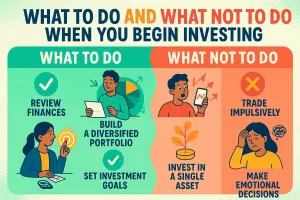
- Start Early and Harness the Power of Compounding
I started investing at age 28, and thanks to compounding, my ₹10,000 monthly SIPs have grown substantially. The key is patience—compounding works best over at least 5 years, so starting late is a challenge. - Diversify Your Portfolio
Spreading investments across stocks, bonds, and real estate reduces risk. I keep a 60:30:10 allocation roughly. Diversification requires ongoing management but helps avoid major losses. - Automate Your Investments
Setting up automatic debits reduces emotional buying or selling. But, be aware this means you can’t react instantly to market dips, which sometimes can be a downside. - Keep Learning and Stay Informed
The markets evolve, regulations change, new sectors emerge. Regular learning prevented me from missing out on sectors like renewable energy ETFs. Beware of information overload though—filter reliable sources. - Avoid Lifestyle Inflation
Increasing expenses as your salary grows can kill your investment capacity. I had to consciously curb lifestyle inflation early by sticking to a budget, even when earning ₹1 lakh monthly. Social pressures make this tough though. - Reinvest Dividends and Earnings
I reinvest dividends to turbocharge growth, though it does delay cash flow realization. At certain points in your journey, taking income may make sense instead. - Have an Exit or Adjustment Plan
Markets change, life changes. I review my goals annually and adjust investment plans accordingly. This flexibility avoids surprises but requires discipline to implement.
Mistakes I've Seen Travelers Make
- Chasing “Hot” Investments Without Research
In 2017, I jumped into a trending small cap stock without proper study. It tanked 40% in 6 months. Lesson: do your homework. - Ignoring Emergency Funds and Debt
I saw a friend invest while having ₹1 lakh credit card debt accruing 36% interest. He lost money overall. Always settle debts first. - Excessive Trading Due to Emotional Reactions
Frequent buying/selling, especially during market volatility, hurts returns after brokerage and taxes. I limit myself to quarterly adjustments. - Over-Concentration in a Single Asset or Sector
Putting 40% in tech stocks once felt exciting but risky during downturns. Diversification is crucial. - Ignoring Goal Updates and Portfolio Reviews
Life evolves. Not updating investments to match evolving goals or risk tolerances leads to mismatches.
Risk Considerations
Understanding Market, Inflation, and Liquidity Risks
When you invest, it’s important to remember that prices can go up and down—that’s market risk. Then there’s inflation, which quietly chips away at the value of your money over time. I’ve seen how even safe bets like fixed deposits can lose ground because inflation outpaces their returns. And don’t overlook liquidity risk—how easy is it to sell your investment when you need cash? These are all things to keep in mind before putting your money anywhere.
Finding Your Personal Risk Comfort Zone
I’ve come to realize that matching your investments to how much risk you can actually handle—both financially and emotionally—is crucial. I got a real lesson in this during the 2020 COVID market crash when some decisions felt like a rollercoaster I hadn’t quite buckled into.
Balancing Risk with Smart Asset Choices
Spreading your investments across stocks, bonds, and real estate can really help soften the blows when markets get shaky. Right now, my portfolio is about half in stocks, a bit over a third in bonds, and the rest in real estate. It’s a balance that’s worked well for me over time.
Getting a grip on risk is crucial—you can’t just ignore it and expect good results down the road. Without understanding it, you might make hasty decisions like panic selling when things get rough, and that rarely ends well.
Taxes and Legal Stuff to Know
Understanding Taxes on Capital Gains and Dividends
If you've held onto your stocks for over a year, any profits above ₹1 lakh get taxed at 10-15%. Also, if your dividend income crosses ₹5,000, you'll see a 10% tax deducted at source. It’s straightforward once you know these thresholds, and it helps to plan your investments accordingly.
Exploring Tax Benefits with Investment Accounts
I’ve found that putting money into PPF or ELSS not only helps with tax savings but also lets your investments grow over time. Just a heads up—ELSS funds come with a three-year lock-in period, but they qualify for section 80C benefits, making them a smart choice for tax planning.
Keeping Records and Getting Expert Help
I make sure to keep thorough records of all my transactions and check in with my chartered accountant once a year to map out my tax strategy. It’s saved me from any last-minute surprises and keeps everything running smoothly.
Navigating Legal Rules for Alternative and Global Investments
When you're diving into crowdfunding or buying foreign stocks, it's important to follow the RBI and SEBI rules closely. Keeping everything above board not only protects your money but also saves you from potential headaches down the line.
Who Might Want to Think Twice Before Trying This Approach
- People with Unstable Income or High Debts
If your monthly income is erratic or you carry unmanageable debts, investing heavily may add stress. - Seekers of Quick Returns
Investing for financial freedom is long-term. If you want fast gains, you’ll likely be disappointed. - Those Uncomfortable with Market Volatility
If market swings trigger sleepless nights, steady fixed income options might suit better.
Investing isn’t a one-size-fits-all game. From my experience, taking a hard look at your own goals and habits before diving in makes all the difference.
Common Questions About Investing for Financial Freedom
Q1: How much money do I actually need to start investing with the goal of financial freedom?A1: You can get started with SIPs as low as ₹5,000 each month. The important part is staying consistent and gradually upping your contributions when you can.
Q2: How long will it realistically take to reach financial freedom?A2: It really depends on your personal goals and how you invest, but most people see results in about 7 to 15 years if they keep at it steadily.
Q3: What kinds of investments are the safest for someone just starting out?A3: For beginners, putting your money into index mutual funds, government bonds, or a Public Provident Fund (PPF) usually offers a safer way to grow your savings without taking too many risks.
Q4: How can I juggle paying off debt while still trying to invest?A4: Focus on paying off any high-interest debt first—those extra charges can really add up. Once that’s out of the way, you can start putting money toward your investments with a clearer mind.
Q5: Is it possible to live off passive income from investments alone?A5: Passive income can definitely help ease the financial load, but for most people, it works best alongside a regular paycheck until you reach full financial freedom.
Q6: How often should I check in on my investment portfolio and make changes?A6: For most people, taking a look at your investments every few months—say, quarterly—works well. It’s often enough to catch any major shifts without getting overwhelmed.
Q7: Where can I find reliable information to learn more about investing?If you're looking for solid finance insights, sites like Value Research and Moneycontrol are great places to start. You can also find real, down-to-earth advice on forums like Reddit’s r/IndianPersonalFinance, where people share their experiences and smart tips.
If this has caught your interest, you might want to check out “Building Wealth with SIPs: A Practical Approach for New Investors.” For those curious about managing risk while maximizing returns, take a look at “Balancing Risk and Returns: Smart Portfolio Diversification Tips.” Both offer straightforward, useful advice without the fluff.
Conclusion
Reaching financial freedom doesn’t happen overnight. It takes understanding the basics, starting carefully, and sticking with it for the long haul. Setting clear goals, keeping yourself educated, and being patient are what really make the difference. If you prefer advice that’s based on real experience instead of hype, this guide should give you a solid starting point. Take your time, make it your own, and keep learning as you go.
Ready to dive in? Subscribe now for straightforward investing tips and real advice from the Growzera team. Make sure to follow the blog for fresh updates and give setting up your first automated investment a shot this week—little steps like these really stack up over time!
If this topic interests you, you may also find this useful: https://www.growzera.com/blog/smart-strategies-to-manage-passive-income-finances-effectively