
Smart ETF Investment Strategies to Grow Your Wealth
Introduction
After spending over ten years in investing and wealth management, I’ve come to rely on ETFs (Exchange-Traded Funds) as one of my go-to tools. I still remember the excitement and slight nervousness when I bought my first ETF — it opened up a whole new way to think about investing. What I’ve discovered since then is that, with the right approach, ETFs make it simple to diversify your investments and steadily build wealth — whether you’re just starting out or have been investing for years. This guide is for anyone curious about ETFs, offering clear explanations, practical advice, and honest insights drawn from my own experience and market know-how to help you make smarter financial moves.
Getting to Know ETF Investment Strategies
When I first looked into ETFs, I realized that having a clear strategy makes all the difference. Simply put, ETF investment strategies are the plans you put in place to buy, hold, and manage these funds in a way that fits your financial goals. ETFs are basically collections of stocks, bonds, or other assets, but unlike mutual funds, they trade on the market like individual stocks. You might try approaches like holding onto your ETFs long-term, spreading your purchases out over time (dollar-cost averaging), switching between sectors as conditions change, or focusing on specific themes like clean energy. From my own experience, it’s key to understand what you want, how ETFs work, and how much risk you can handle before settling on a game plan. That way, your strategy feels right for both you and the market’s twists and turns.
ETFs: What Are They?
So, what makes ETFs worth a second look? In simple terms, an ETF mirrors an index or a specific group of assets. Take the Nifty 50 ETF, for instance — it tracks the Nifty 50 index, giving you a slice of India’s top 50 companies. I dipped my toes in back in 2014 with ₹15,000, and what really caught me off guard was how it spread my investment across different sectors without me having to handpick each stock. It was like getting a ready-made portfolio with just one purchase.
ETF Strategies I’ve Tried
Over time, I experimented with a few different ETF strategies. At first, I kept it simple: buy-and-hold with broad market ETFs tied to indexes like the Sensex or S & P 500. Then I added a twist with dollar-cost averaging — putting in ₹10,000 every month through SIPs on Zerodha and Groww, which helped smooth out the bumps when markets were volatile. I even tried hopping between sectors like tech and pharma, swapping ETFs based on how the market felt. What stuck with me is that there’s no magic formula here. Your approach depends a lot on what you want, how long you plan to stay invested, and how much risk you’re comfortable with.
Why Your Goals Should Drive Your Strategy
One thing I learned early on is that your financial goals need to shape your approach — not the other way around. Saving up for a ₹50 lakh home in five years means your ETF choices and how often you invest will be completely different from someone planning for retirement three decades down the road. So, take the time to clearly nail down what you want to achieve before diving in. That clarity will make your ETF strategy far more effective and less random.
Why It Pays to Know the Benefits
ETF strategies are important because they blend the ease of trading stocks with the broad spread of investments you get from mutual funds, usually without the hefty fees. Some of the big perks include greater flexibility and cost efficiency.
- Cost-efficiency: ETFs tend to have lower expense ratios compared to actively managed funds. For instance, I’ve seen expense ratios as low as 0.05%, whereas similar mutual funds can charge 1% or more annually. Over a 10-year holding period, this cost difference can seriously impact your net returns.
- Liquidity: They trade throughout the day, allowing strategic entry and exit points. Once, I wanted to purchase ₹1 lakh worth of an ETF. Doing it at 9:30 AM, right after market open, was better than waiting because prices can shift significantly during the day. This intraday trading is a key advantage over mutual funds, which price once after market close.
- Diversification: A single ETF can cover entire sectors or markets, reducing company-specific risk. I found that owning one broad-based ETF reduced my need for buying many individual stocks, saving research time and lowering brokerage costs.
- Tax advantages: ETF structures can be more tax-efficient than mutual funds, thanks to the "in-kind" redemption mechanism that limits capital gains distributions. This helped me reduce my taxable events significantly, especially in taxable brokerage accounts.
- Accessibility: Suitable for both beginner investors and professionals. Whether you’re investing ₹10,000 monthly through SIPs or making lump sum ₹5 lakh investments, ETFs offer great flexibility.
Making the most of ETF strategies means using these advantages to build portfolios that can handle whatever the market throws at you. I remember the 2020 crash — having the ability to easily add money to my ETFs helped me lower my average costs without stress. That kind of liquidity was a real lifesaver.
How to Get Started
Start by figuring out exactly what you want to achieve, how long you’re willing to invest, and how much risk you’re comfortable with. Once you've got that sorted, you can move on to the next steps.
- Choosing a brokerage account with access to a broad range of ETFs. I prefer using Zerodha and Groww because their interfaces are intuitive, and they offer thousands of ETF options across asset classes.
- Researching ETFs that match your sectors, themes, or asset classes of interest. Look carefully at their expense ratios, underlying indexes, AUM (Assets Under Management), and past performance.
- Understanding basic ETF metrics like expense ratios, tracking error, and underlying index composition. For instance, a low tracking error means the ETF closely follows its benchmark — I once avoided an ETF due to a 2% tracking error, which was too high for my taste.
- Deciding on an initial investment amount and contribution plan. Starting with ₹20,000 to ₹30,000 can give you meaningful exposure without overextending your budget.
Speaking from experience, it’s much less stressful to start with small amounts and slowly increase your investments as you get the hang of things. When I first began putting money into ETFs back in 2012, I started with just ₹10,000 a month. Over three years, I worked my way up to ₹50,000, and that gradual build helped me stay calm during market dips.
It’s also smart to set a regular time to review your investments. For me, that’s usually quarterly, around 3 PM when the trading volumes calm down. I dedicate about 30 to 45 minutes then to check if I need to tweak my allocations.
How to Rebalance Your Portfolio Step-by-Step
- Set clear objectives: Are you seeking growth, income, or capital preservation? For example, I once focused on dividend ETFs to generate regular income, investing ₹1 lakh initially and upping contributions by ₹10,000 quarterly.
- Build a diversified ETF mix: Combine stock ETFs, bond ETFs, and possibly specialty funds. A sample portfolio I used had 60% equity ETFs (Nifty 50, Midcap), 30% bond ETFs, and 10% sector-focused ETFs like banking.
- Decide on an investment frequency: One-time lump sum vs. periodic investments like dollar-cost averaging. I found DCA helpful during volatile markets like 2018-2019, investing ₹15,000 monthly regardless of market conditions.
- Monitor and rebalance: Regularly check to maintain your desired asset allocation. I rebalance my portfolio semi-annually and adjust based on market moves to keep allocations within ±5% of targets.
- Adjust strategies: Adapt based on market conditions, life changes, or financial goals updates. After a market rally, I might trim growth ETFs and add bonds to lock in gains.
Taking a steady, step-by-step approach to rebalancing keeps you from making snap decisions and helps you adjust your portfolio thoughtfully over time. If you skip this, you might end up with more risk than you bargained for — or not enough. I can tell you from experience, ignoring rebalancing once left me with a portfolio suddenly dominated by tech stocks — definitely not what I planned!
Essential Tools and Platforms
Picking the right tools can really make a difference in how you handle your ETF investments.
- Brokerages: Look for platforms with low fees, extensive ETF offerings, and user-friendly interfaces. Examples include Vanguard, Fidelity, and Schwab in the US, while Zerodha, Groww, and HDFC Securities are excellent in India. I use Zerodha mostly for its low ₹20 or 0.03% brokerage fee per order and comprehensive ETF selection.
- Portfolio trackers: Use apps like Personal Capital, Morningstar, or ET Money for ongoing portfolio performance and rebalancing alerts. I found using these apps saved me at least two hours monthly that I would have spent manually tracking.
- Research resources: Sites such as ETF.com, Seeking Alpha, and Moneycontrol provide detailed ETF analysis and news. They help me stay updated on ETF launches, performance, and market sentiment.
After trying out several broker platforms myself, I’ve found it’s worth testing demo accounts or apps before diving in. It’s surprising how much easier managing your ETF buys and tracking them gets when you’re using tools that feel comfortable and familiar.
Tips for Getting the Most Out of Your ETF Tools
- Diversify Across Asset Classes: This reduces risk exposure and smooths returns. Use a blend of equity, fixed income, and alternative ETFs. Limitation: May dilute gains in bull markets when stocks outperform.
- Utilize Dollar-Cost Averaging: Invest set amounts regularly to minimize timing risk. Best for volatile markets when prices fluctuate. Limitation: Might miss big gains if markets consistently rise without dips.
- Rebalance Periodically: Keeps your portfolio aligned with risk tolerance. Recommended semi-annually or annually. Limitation: Can incur transaction costs, tax implications if done frequently in taxable accounts.
- Keep Expense Ratios Low: Favor ETFs with low fees to maximize compounding. Essential for long-term investors. Limitation: Ultra-low cost ETFs may track less diversified indices or smaller markets.
- Consider Thematic and Sector ETFs Carefully: They offer targeted exposure but often come with higher volatility. Use as a smaller portion of your portfolio. Limitation: Can underperform broad indices over long periods.
- Stay Informed but Avoid Overtrading: Reacting to every market news can erode returns. Stick to your plan unless fundamentals change. Limitation: May miss opportunistic plays if too rigid.
- Use Tax-Advantaged Accounts When Possible: Maximize tax efficiency by holding ETFs in IRAs, 401(k)s, or ELSS funds. Limitation: Limited contribution amounts might restrict how much you can invest tax-free annually.
Over the years, I've tweaked my approach quite a bit. These tips come from real experience — helping me stay calm during sudden market swings and keep expenses in check without losing sleep.
Mistakes You’ll Want to Dodge
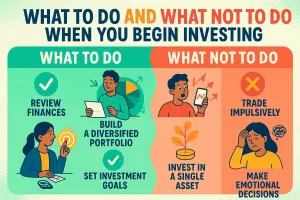
- Chasing “hot” ETFs based on recent performance alone. I once bought a tech ETF after a 25% jump only to see it fall 15% next quarter.
- Ignoring fees and tax impacts when selecting ETFs. High expense ratios can erode your gains over a decade.
- Neglecting to rebalance and letting allocations drift. I’ve seen portfolios become too risky because investors ignored this simple step.
- Using overly complex strategies without full understanding. Playing with leveraged or inverse ETFs without adequate knowledge can cause losses.
- Ignoring your own risk tolerance in favor of market trends. If you can’t handle volatility, a heavily stock-based ETF portfolio might stress you unnecessarily.
Risk Considerations
ETFs can spread out risk, but that doesn’t mean they’re completely safe. You still have to watch out for things like market ups and downs, liquidity issues, and tracking errors. And those inverse and leveraged ETFs? They’re a whole different beast — way riskier and not really made for just holding onto. Knowing the quirks of each ETF type and matching that to your game plan is key if you want to protect your money.
I remember back in those turbulent months of 2020, leveraged ETFs took a nosedive, dropping 40-50% faster than the broader market ETFs. That experience was a real eye-opener for me — it made it clear I should steer clear of these products unless you’re someone who’s actively trading and knows exactly what they’re doing.
Tax and Legal Tips
ETFs usually handle taxes pretty efficiently because of the way they’re created and redeemed, which helps keep capital gains distributions low. Still, it’s important for investors to keep an eye on certain details like potential tax implications and how specific ETFs fit into their overall tax strategy.
- Capital gains taxes on sales in taxable accounts. For example, short-term capital gains tax in India can be up to 15% for equity ETFs held less than one year.
- Dividend taxes depending on ETF holdings. Some ETFs distribute dividends, and you'll need to pay taxes accordingly.
- Different rules for international ETFs. Currency conversions and foreign tax credits become relevant.
- Tax-loss harvesting opportunities to optimize returns. Selling ETFs at a loss to offset gains elsewhere can be advantageous if timed well.
Talking to a tax expert can really help you figure out the best approach based on where you live, so you don’t get hit with any surprise charges down the line.
Who Might Want to Skip or Think Twice
ETFs might not be the best fit for everyone, especially if you’re looking for something very specific or hands-on with your investments.
- Investors seeking guaranteed returns or principal protection — ETFs fluctuate with markets.
- Those wanting ultra-active trading without understanding underlying volatility (e.g., leveraged/inverse ETFs), which can be dangerous if misused.
- Investors unwilling to commit time to periodic portfolio review. ETFs require regular monitoring and adjustment.
ETFs aren’t a magic shield against all investment risks. Sometimes, they can even lull you into a false sense of security if you misunderstand diversification. Just owning a bunch of ETFs doesn’t automatically mean your portfolio is balanced or safe.
FAQs
- What’s the difference between ETFs and mutual funds? ETFs trade like stocks with intraday pricing, often lower fees, while mutual funds price once daily and may have higher minimum investments.
- Can I lose money with ETFs? Yes, as with all market-traded securities, their value fluctuates with underlying assets.
- How often should I rebalance my ETF portfolio? Typically every 6-12 months or when allocations deviate significantly from targets.
- Are sector ETFs riskier than broad market ETFs? Generally yes, because they concentrate on specific industries vulnerable to sector cycles.
- Can ETFs be held in retirement accounts? Absolutely, and it often provides tax advantages.
- What are the hidden costs of investing in ETFs? Besides expense ratios, consider bid-ask spreads, trading commissions, and tax impacts.
- How do I pick the right ETF? Look for alignment with your goals, low costs, fund size, liquidity, and underlying index methodology.
Conclusion
Investing in ETFs can be a smart, flexible way to grow your money over time. Once you get how they work, set clear goals, and stick to strategies like spreading your investments, dollar-cost averaging, and rebalancing regularly, you’ll make the most of what ETFs offer while keeping risks in check. The key is to stay sharp and avoid common mistakes. Whether you’re new to investing or tweaking your portfolio, ETFs can be an important part of the plan.
If you’re interested in this topic, you might want to check out “How to Choose the Right Mutual Funds for Your Portfolio.” For a closer look at splitting your investments, take a look at our post on “Balancing Stocks and Bonds for Long-Term Growth.”
Make sure you sign up for my newsletter if you want to keep getting tips and stories from the road. And hey, if you’re thinking about investing, why not give building a simple ETF portfolio a shot this week? I took the plunge myself with an online brokerage and was honestly surprised at how easy it turned out to be. You might find it’s less intimidating than you thought!
If this topic interests you, you may also find this useful: https://www.growzera.com/blog/top-stock-picks-for-achieving-financial-freedom-fast