
Best Investments for Achieving Financial Freedom
Introduction
I still remember the moment it clicked for me—financial freedom isn’t about striking it rich overnight, but about steady, reliable growth over time. When I started investing, I was chasing quick wins and flashy returns, only to realize that lasting independence comes from patience and good planning. What really changed the game was focusing on investments that bring in a steady income instead of just hoping for prices to go up. Whether you’re just starting out or trying to build a solid wealth foundation, this guide shares honest, practical advice from my years of managing portfolios and going through different market cycles. Hopefully, it’ll help you spot the kinds of investments that can actually support your goals for independence.
1) Getting to Know the Best Investments for Financial Freedom
So, what do we really mean when we talk about “financial freedom investment opportunities”? To me, these are the kinds of investments that keep money coming in or grow steadily enough to cover your living costs, so you don’t have to rely on a paycheck every month. It’s not about striking it rich overnight but building a reliable source of income or wealth that frees you from money worries.
The big players here are stocks—especially those that pay dividends—real estate, whether you own property directly or invest through REITs, and alternative options like peer-to-peer lending or crowdfunding. You can also consider passive income from royalties or bonds. These are the tools that help you create a steady flow of money without having to clock in every day.
Not every investment tagged as “financial freedom” really gets you there. Some might grow your capital but don’t put money in your pocket regularly. Others can be way too risky or hard to cash out when you need to. From my experience, steady cash flow isn’t optional—it’s what keeps you free. And don’t forget, everyone’s comfort with risk is different. Some folks I know prefer slow-and-steady bonds, while others are perfectly fine riding the ups and downs of the stock market.
2) Why It Matters and The Benefits
So, why should you care about these kinds of investments? For starters, there’s the money side of things. With the right mix, you can pull in dividend yields of 5% or more each year, or 4-6% from rental properties—that’s cash coming in on top of your paycheck. Plus, some investments like real estate or stocks help protect you against inflation because they tend to increase in value over time. It’s a way to keep your money working harder for you, not the other way around.
More than just the numbers, I’ve felt a huge mental relief knowing I’ve got investments that could cover some of my monthly bills. It’s changed the way I see work and life. I’m not strictly tied to my 9-to-5 anymore, which means I can take chances, explore new passions, or just relax without stressing about every rupee. It’s not simply about having cash—it's about the calm that comes with knowing you have options.
Over time, the real power comes from compounding. For example, if you put aside ₹10,000 every month into a mix of investments that grow around 8% a year, in 20 years, you could end up with over ₹50 lakh. That kind of money can really turn things around. From my own ups and downs, I’ve learned that focusing on opportunities that grow steadily helped me ride out tough patches without panicking.
3) How to Get Started
If you’re just starting out—or even if you've dabbled a bit—it can feel a little overwhelming at first. Don’t worry though, here’s what I’ve found works best to get you moving in the right direction.
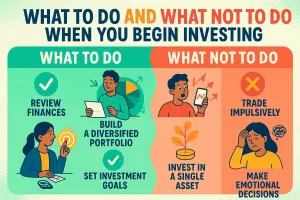
- First, assess your current financial position honestly. How much emergency cash do you have? (I keep at least ₹50,000 accessible.) What debts are bothering you? Clearing high-interest debt before investing is crucial.
- Next, set clear financial goals. Are you aiming for ₹20,000 per month in passive income within 5 years? Or maybe a ₹1 crore corpus for retirement in 15 years?
- Then, analyze your risk tolerance. If market volatility makes you lose sleep, you might lean toward safer assets like debt mutual funds or rental real estate. More risk-tolerant investors might prefer equities or even peer-to-peer lending.
- Gather knowledge. I found reading about Nifty 50 index movements, mutual fund annual reports, and real estate trends at 9:15 AM or after market hours invaluable. Instead of chasing hot tips, start small—for example, SIPs of ₹5,000 monthly on Groww or Zerodha—to build discipline.
- Finally, never jump in without a ₹50,000 emergency fund and a plan to manage debts. That foundation keeps your investments from turning into liabilities during tough times.
4) How to Get Started: A Simple Step-by-Step
Step 1: Pin down what financial freedom means to you. What’s the monthly passive income you’re shooting for, and how soon? When I began, I aimed for ₹10,000 a month within three years, starting with ₹1 lakh already invested. Having a clear target made all the difference.
Step 2: Look for opportunities that match what you want. If you're after steady income, dividend-paying stocks or rental properties are solid picks. But if you're willing to take on more risk for bigger rewards, peer-to-peer lending or crowdfunding might be worth exploring. I spent some time checking out dividend yields on Midcap and Largecap stocks through HDFC Securities and also compared rental yields between Delhi and Mumbai to see which made more sense.
Step 3: Don’t put all your eggs in one basket. Instead of dumping all ₹5 lakhs into one asset, spread it out. For example, I divided mine roughly like this: ₹2 lakhs in dividend stocks, ₹1.5 lakhs in a real estate REIT, and ₹1.5 lakhs split between debt funds and peer-to-peer lending. This way, if one investment hits a rough patch, you’ve got others working for you.
Step 4: Set up a simple investment plan. I make it a point to review my portfolio every quarter — usually right after companies release their earnings or financial reports. I even set calendar reminders for 9:30 AM, just after the market opens, to keep an eye on any sudden changes in the more volatile stocks. It keeps me in the loop without feeling overwhelmed.
Step 5: I started by investing ₹10,000 every month through SIPs and kept a simple Excel sheet to track how things were going. Watching the numbers grow (or sometimes dip) helped me stay calm and not make rash decisions when the market got shaky. Adjusting my investments based on what the data showed made the process feel a lot less stressful.
Thinking back to my first few months, I quickly realized that some platforms like Zerodha charged ₹20 per trade and about ₹200 yearly for the Demat account. It made me realize that picking the right platform isn’t just about features—it can really add up in costs over time.
5) Essential Tools and Platforms
Choosing the right investment platform can really save you time—and a few headaches. When I started investing in stocks and ETFs, I found Groww, Zerodha, and Fidelity to be solid options. Groww stood out for me because its simple layout made starting a monthly SIP of ₹5,000 a breeze, even though I’m not the most tech-savvy.
If real estate interests you but buying property feels like too much hassle, REITs listed on the NSE offer a way in without all the paperwork. I’ve also checked out real estate crowdfunding platforms like SmartOwner, where you can get started with about ₹1 lakh—much less intimidating than a full property purchase.
Peer-to-peer lending platforms like Lendbox and Faircent caught my attention because they let you spread your risk by lending small amounts—just ₹10,000 per borrower. It’s a neat way to diversify without putting too much in one place.
When it comes to keeping an eye on my portfolio, I rely on Personal Capital alongside some custom Excel spreadsheets I set up. These sheets track everything—from quarterly returns and dividend dates to all those pesky brokerage fees—so I’m always clear on where my investments stand.
From my own experience, Groww stands out with its quick and helpful customer support. Plus, their brokerage fees are much easier on the wallet—around ₹10 per completed order—compared to a few others that can charge you as much as ₹500 per trade.
6) Practical Tips and Tricks
- Diversify for Stability: Spreading investments reduces impact of one poor asset. For example, including both dividend stocks and rental property can balance out market risks. That said, diversification can dilute spectacular gains if some investments underperform.
- Regularly Reinvest Earnings: I reinvest dividends and rental income monthly. It accelerates compounding over a 5-7 year horizon. The trade-off is liquidity—you can't use that cash for immediate needs.
- Keep Emotions in Check: Market volatility can trigger panic-selling. During 2020’s pandemic crash, I held my positions, which rewarded me later. However, stubbornly holding bad stocks too long can backfire, so balance patience with timely cuts.
- Educate Continuously: I spend about 3 hours weekly reading market news, quarterly reports, and tax updates. It improves decisions but demands time.
- Set Realistic Expectations: Expecting 20% annual returns is unrealistic and leads to frustration. I aim for 8-12% returns given my moderate risk profile, which keeps discipline intact.
- Leverage Dollar-Cost Averaging: Investing fixed amounts monthly lowers market timing risk. For beginners using Groww or Zerodha, SIPs are an excellent way to apply this. Though in raging bull markets lump-sum beats SIP, over long periods SIP is practical.
- Periodic Portfolio Review: I review allocations every quarter after market close at 3:30 PM. This helps realign with goals but avoid overtrading, which increases fees and taxes.
7) Mistakes You’ll Want to Skip
- Chasing high returns without understanding risks often leads to losses. I once invested ₹50,000 in a high-dividend stock without researching its business, only to lose 30% in months.
- Neglecting research can blindside you when a company reports bad earnings or a platform’s legal issues surface.
- Overconcentration—putting ₹2 lakhs in a single real estate project without diversification—is risky.
- Ignoring fees and taxes can erode your expected 10% gross returns to as low as 6-7% net. Brokerage fees, capital gains tax (~15% on Long Term Capital Gains for equities over ₹1 lakh), and dividend distribution tax need consideration.
- Emotional decisions like panic-selling during market dips (like March 2020) or overbuying amid booms hurt gains.
8) Things to Keep in Mind Before You Dive In
The stock market is unpredictable—prices can swing a lot day to day. And don’t forget liquidity; if you’re holding real estate, selling can sometimes take months, so cashing out quickly isn’t always an option.
Inflation can slowly chip away at the returns from fixed-income investments, especially when it's hovering around 6-7% like it is in India right now. So, it’s important to pick investments that can keep up with or beat inflation, otherwise, your money might not grow as much as you'd hope.
Some risks hit closer to home for me, like dealing with empty rental properties or loans through peer-to-peer platforms. For example, I once had a ₹50,000 loan that ran behind on repayments and ended up with about a 5% default rate, which was a real eye-opener about the unpredictability in these areas.
You’ve got to match your risk appetite with how long you’re planning to keep your money invested. If you’re cautious, it’s probably best to avoid shaky assets, especially if you need your cash within three to five years. It’s about finding that sweet spot where your comfort level and investment timeline meet.
9) Understanding Tax and Legal Basics
If you’re earning dividends from Indian companies, remember they’re taxed according to your income tax slab. Also, long-term capital gains tax kicks in at 10% on equity shares and mutual funds but only on gains exceeding ₹1 lakh, provided you've held them for more than a year.
When it comes to rental income, you can claim standard deductions, but the rest gets taxed based on your income bracket. It’s straightforward once you know where you stand!
Platforms like peer-to-peer lending are governed by legal rules, including RBI guidelines that require certain disclosures and protections to keep investors safe.
If you’re dealing with different types of assets, I’d definitely suggest talking to a tax advisor. It can really help you manage your tax responsibilities more efficiently.
10) Who Should Be Cautious or Avoid It
If you’re looking to access your money quickly, financial freedom investments can be a bit frustrating—most of them need at least 3 to 5 years before you really start seeing any meaningful returns.
If you’re someone who gets stressed out by market ups and downs, it might be better to play it safe with fixed deposits or debt mutual funds. They may not be flashy, but they’re easier on the nerves.
Keep in mind, some platforms set minimum investment amounts—like Groww SIPs starting at ₹10,000, or many real estate crowdfunding deals requiring at least ₹1 lakh. That can make diving in a bit tricky if you’re on a tight budget.
Juggling investments in stocks, real estate, and other areas can quickly become overwhelming, especially if you’re juggling a busy schedule. Without some guidance or support, it’s easy to feel lost in the complexity.
11) FAQs
So, what's the safest way to invest if you want to reach financial freedom without risking too much?Safe bets usually mean government bonds, fixed deposits, and debt mutual funds. They won’t make you rich overnight—think returns around 6-7%—but your money stays solid. If financial freedom is your goal, mixing these steady options with growth-focused investments is the smartest approach.
So, how much do you really need to start investing if your goal is financial freedom?Honestly, you can begin with as little as ₹10,000 a month through SIPs. If you keep it up for 10 years and get an average return of 8%, you’ll be surprised how much it adds up. Of course, investing a bigger amount, like ₹1 lakh at once, can speed things up, but it’s definitely not a must to get started.
Can you count on passive income alone to retire early? Well, it’s possible, but it takes careful planning and some patience. Passive income can really lighten your load over time, but most people combine it with some savings or side gigs until it’s substantial enough.
It’s definitely doable, but it takes commitment and spreading your income across different sources. Having passive income cover your living costs can ease the pressure of relying solely on a paycheck, but building that kind of steady cash flow usually doesn’t happen overnight—it often takes a few years of patience and smart planning.
So, how do you find the sweet spot between risk and reward when picking investments?First, figure out how much risk you’re comfortable with and how long you’re willing to wait. Spread your money across different types of investments instead of putting all your eggs in one basket. And never get tempted by big returns without doing your homework—there’s usually a catch.
Is there a shortcut to achieving financial freedom faster?Quick wins often come with bigger risks. Instead, building wealth steadily through regular investing, letting your returns compound, and choosing low-cost platforms tends to be a smarter, less stressful path over time.
How often should I check in and tweak my investment portfolio?Doing quarterly reviews just after the market closes, around 3:30 PM, is a smart move. It lines up nicely with earnings reports and market trends, helping you stay informed without the urge to jump into too many trades.
So, what kind of tax perks can you expect when investing for the long haul?If you hold onto equity mutual funds or stocks for more than a year, your capital gains tax drops to 10% on profits above ₹1 lakh. Picking tax-friendly funds can really boost what you keep in your pocket after taxes.
12) Conclusion
Picking the right investments to reach financial freedom isn’t about luck—it takes patience, learning, and steady effort. From what I’ve seen, focusing on diverse, income-producing assets and keeping an eye on risks helps build a portfolio that can truly support your independence over time. Chasing the latest trends or quick wins rarely ends well. Setting realistic goals and sticking to a disciplined plan makes all the difference. If you’re after straightforward, practical advice without the usual sales pitch, this guide will steer you in the right direction. Take your time, tweak the approach to fit your style, and keep at it.
Interested in diving deeper? Check out these posts: “Dividend Investing Strategies for Consistent Income” and “Real Estate Investing Basics: A Beginner’s Guide.” They’ve got some solid, actionable tips to help you build steady income streams.
Want more real-world investing tips and updates? Subscribe to my newsletter for regular insights. And don’t forget to follow the blog—there’s always fresh content sharing practical advice and personal experiences.
If this topic interests you, you may also find this useful: https://www.growzera.com/blog/best-passive-income-digital-assets-to-grow-wealth-online