
Best Savings Investment Options to Consider
Introduction
Over the past ten years writing for Growzera and managing my own investments, I've learned that the right savings investment can really change how your money grows. Back when I started, I split my savings between safe fixed deposits and some cautious mutual funds, trying to figure out what worked best. What really matters is matching your investments with your goals and how much risk you’re comfortable with—that’s the game-changer. This guide highlights some of the best savings investment options, drawn from my firsthand experiences, market trends, and practical tips, to help you make smarter choices. Whether you’re just getting started or looking to sharpen your strategy, this should give you a clearer path to growing your savings steadily.
Understanding the Best Savings Investment Choices
So, what exactly falls under “savings investment opportunities”? It sounds simple, but there’s more to it than just putting money aside. From my experience, savings investments are different from your standard savings accounts—they’re designed not just to keep your money safe but to help it grow, albeit carefully. These usually include things like fixed deposits (FDs), recurring deposits (RDs), government bonds, high-yield savings accounts, and conservative mutual funds or ETFs that focus on preserving capital while providing some growth.
Take fixed deposits with banks like HDFC or ICICI, for instance. They offer guaranteed interest rates—usually between 5% and 7% a year, depending on the term and the bank’s current rates. That steady return is reassuring, but you do have to consider inflation, which can quietly eat into your earnings. On a similar note, government schemes like the 5-year Senior Citizens Savings Scheme (SCSS) or the Public Provident Fund (PPF) come with tax perks under Section 80C and deliver moderate returns, typically around 7-8%. If you're okay with a bit more risk, debt mutual funds that invest in good-quality corporate bonds or liquid funds often yield around 6-7% annually, with the added bonus of easier access to your money.
What really caught my attention was how many regular investors stick to basic savings accounts that barely give 3-4% interest. These other options often fly under the radar, even though they’re perfect for people who want to play it safe and keep their money growing just above inflation. If you expect stock-market-like gains here, you’ll probably be disappointed. Think of these as the steady back-up players in your overall investment lineup—solid and dependable, not flashy or fast, but essential for stability.
2) Why Savings Investments Matter
So, why pay attention to savings investment options? Because they can really help steady your financial journey. I've seen plenty of investors brush them off when markets are soaring, only to wish they had those safe spots when things take a sudden downturn.
One of the biggest perks is protecting your money. Unlike stocks, savings tools like fixed deposits or government bonds usually keep your original amount safe, which is a comfort when the market's acting up. For example, I had a ₹1 lakh fixed deposit earning 6.5% a year, even when the Sensex slipped 15% in just a month. That kind of consistency is exactly what you need to avoid making panic moves.
Another big plus is having a steady stream of income. Some savings plans pay interest every month or quarter, which makes it easier to manage your money — perfect if you’re retired or just like regular cash flow. For instance, I set up a few recurring deposits back in 2020, and every three months, I get interest payments that either go back into savings or sometimes cover little extras like a coffee run or a book. That reliable rhythm takes a lot of the guesswork and stress out of budgeting.
Then there’s the issue of inflation — the sneaky money-eater no one likes to talk about. Certain savings options, like inflation-indexed government bonds, adjust their returns to keep pace with rising prices. While the stated interest rate might seem modest, say around 5 or 6 percent, the real benefit is that your buying power stays intact. Over the years, this makes a huge difference. I’ve met plenty of folks who were surprised when inflation quietly ate away their savings because they didn’t plan for it early enough.
And finally, there’s something to be said for peace of mind. Having a chunk of your money parked safely in easy-to-access places, earning steady returns, helps keep your head clear. It’s tempting to chase the next big thing or quick profit, but keeping some investments grounded in solid savings options makes it easier to stay calm and stick to your plan. From personal experience, this balance has saved me from a lot of emotional ups and downs when markets got shaky.
3) Taking the First Step
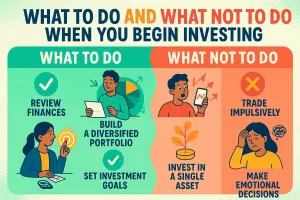
This is where most people get a bit overwhelmed—how do you even get started? From my own experience, you don’t need a fortune to begin. I still remember putting ₹10,000 into my first fixed deposit back in 2012. What really made the difference was having a clear goal in mind and knowing how much risk I was comfortable with.
Before you dive in, take a good look at your financial situation. Do you have a safety net? I suggest having at least ₹50,000 tucked away in a savings account you can access easily for those unexpected moments—trust me, this is must-have. Until you have that cushion, it’s better not to tie up your money in anything long-term.
Next up, think about your short to medium-term goals. Are you saving for a home down payment in the next few years, your kid’s college fees farther down the line, or maybe retirement a decade or more away? How long you have really shapes where you should put your money. If your goal is just a few years out, go for something easy to access like recurring deposits or short-term fixed deposits. But if you’re planning 10 years or more ahead, options like PPF or conservative debt funds can offer better growth without too much risk.
Then, take a good, honest look at how much risk you can handle. If the idea of losing even a little money keeps you up at night, stick with safe bets like fixed deposits, government savings schemes, or a regular bank savings account. But if you’re okay with some ups and downs in exchange for potentially better returns, check out debt mutual funds or high-yield savings accounts available on platforms like Zerodha or Groww.
Lastly, get your paperwork in order before you dive in. Usually, you’ll need your PAN card, Aadhaar, proof of address, and a linked bank account. Setting up your accounts typically takes between two and seven days, depending on where you’re applying. Don’t rush this part—double-check everything to avoid annoying delays or KYC rejections. Getting it right the first time saves a lot of headaches later.
4) How I Set Up My First Savings Investment
Here’s how I got started with my first savings investment. I began by opening a zero-balance savings account with HDFC Bank, which made handling transactions hassle-free. Then, I spent some time comparing fixed deposits from different banks, looking closely at their interest rates, how often they compounded, and any fees I’d face if I needed to withdraw early.
I finally went with a 1-year fixed deposit offering 6.75% interest, compounded quarterly. I made my initial deposit of ₹20,000 online at 9:15 in the morning—right when the banking system kicked off for the day. The whole setup was pretty straightforward, but what really helped was automating the process. I set up an auto-debit for ₹5,000 every month into a recurring deposit, which took the mental load off me and stopped me from putting it off.
After that, I checked out government bonds on the Reserve Bank of India’s website and decided to apply for a 7-year inflation-indexed security. The minimum investment was ₹1 lakh, and the paperwork was a bit more involved than I expected—it took about three days to get everything processed.
I recommend keeping an eye on your savings investments every few months. I usually log into my HDFC Securities account quarterly to track interest earned, reinvestments, or any upcoming maturity dates. This routine actually helped me spot a mistaken ₹500 brokerage fee once—something you might miss if you’re not regularly checking in.
5) Essential Tools and Platforms
These days, managing your savings and investments on your phone has become a real lifesaver. I’ve tried out a few apps like Groww, Zerodha Coin, and Paytm Money to see which fits my style best. Groww’s clean interface makes it super simple to compare things like recurring deposits and debt mutual funds side by side. On the other hand, Zerodha Coin works seamlessly with my Demat account, so whenever a new government bond issue pops up, I can jump on it right away without missing a beat.
When it comes to fixed deposits, I usually stick with bank apps. For example, HDFC’s app lets me lock in an FD before 11 AM, which means I start earning interest the same day—pretty neat. For government bonds, you’ll need to head over to the RBI Retail Direct portal or use platforms like ICICI Direct. The RBI site is pretty straightforward, but it’s not the friendliest on mobile, so I do most of the heavy lifting on my laptop.
If you’re more comfortable handling things in person, visiting your local bank branch or chatting with a financial advisor can still work well. It’s great if you’re not too tech-savvy. Just keep in mind that paperwork can sometimes get messy or slow things down, so double-check everything to avoid last-minute hiccups.
While automated portfolio managers like Groww can be handy for cautious investors, I noticed their algorithms sometimes nudge you towards riskier options than you might expect. So, don’t just take their suggestions at face value—make sure you read the details carefully before committing.
6) Handy Tips for Smarter Investing
After years of handling my own savings and investments, here are a few tips that have really helped me stay on track:
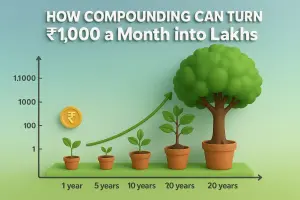
- Start Early: The magic of compounding works best over time. Investing ₹10,000 annually from age 25 can grow substantially over 30 years. However, if you start at 45, the impact reduces, so the sooner, the better.
- Diversify Across Products: Don’t put all eggs in one basket. I hold fixed deposits, PPF, and bond ETFs simultaneously. The downside is managing multiple accounts can become complex, requiring regular review.
- Automate Contributions: Automatic monthly transfers into RDs or mutual funds help maintain discipline and avoid timing mistakes. But, automation also lessens liquidity flexibility—if you suddenly need cash, you may face penalties.
- Regularly Review and Rebalance: At least quarterly, assess whether your allocations still match your goals. I do this to stay aligned with changing expenses or market conditions. The limitation is this requires time and a bit of financial literacy.
- Choose Inflation-Protected Options: Instruments like inflation-indexed bonds guard your returns’ purchasing power. While their nominal returns may be lower than fixed deposits, I think it’s worth sacrificing some interest rate for this protection.
- Keep Emergency Funds Separate: Avoid tying emergency money into long-term savings instruments. I keep ₹50,000 aside in a high-yield savings account for urgent access, even if its interest is around 4%.
- Understand Lock-In Periods: Match your investment terms to your liquidity needs. I once prematurely broke a 5-year FD, paying 1% penalty, which taught me to plan maturities carefully.
7) Mistakes I’ve Seen People Make
On the road, I’ve noticed a few mistakes that keep popping up when it comes to handling savings and investments—things that can easily trip up even seasoned travelers trying to secure their future.
- Chasing Highest Interest Rates Blindly: Sometimes a bank offers 7.5%, but with complex withdrawal conditions. I learned it’s better to balance rate with convenience.
- Ignoring Inflation Impact: Parking all savings in a 4% savings account when inflation runs at 6% leads to real loss of money, which surprised many friends I advised.
- Neglecting Emergency Fund Accessibility: I once advised a colleague to lock emergency cash into a 3-year RD; he ran into trouble when urgent hospital bills came up.
- Failing to Diversify: Putting all money in fixed deposits limits potential growth and increases reinvestment risk when interest rates drop. Diversification helps even out returns.
- Overlooking Tax Ramifications: Interest on FDs is taxable as per your income slab, and neglecting this erodes net returns. I suggest using tax-saving options where possible.
8) What to Keep in Mind About Risks
Even the safest-looking savings investments come with their own risks, and it’s important to know what you’re signing up for. Take interest rate risk, for example—if rates go up, that fixed deposit you locked in at 6% suddenly doesn’t look so attractive. Then there’s inflation risk; if your returns don’t outpace rising prices, your money won’t stretch as far as you’d hoped.
There’s also credit risk to think about, especially if you’re dealing with non-bank issuers or corporate deposits. Government-backed schemes usually dodge this risk, but I remember back in 2018 when a corporate FD offering higher interest rates collapsed. Investors, including some friends, had to wait ages to get their money back. That experience definitely made me stick to well-known banks and government-backed options since then.
It really comes down to balancing those risks with how safe and accessible you want your money to be. For most folks, mixing government schemes, bank fixed deposits, and a few conservative debt funds does the trick to spread risk without losing sleep over it.
9) Taxes and Legal Stuff You Should Know
Taxes can quietly chip away at your earnings if you’re not careful. Take interest from fixed deposits or recurring deposits—this gets taxed based on your income slab. For instance, if you’re in the 30% tax bracket and earn ₹10,000 in interest each year, you’re actually left with ₹7,000 after tax. It’s a good idea to keep this in mind when planning your investments.
Some government schemes like PPF and SCSS offer handy tax breaks under Section 80C, which is a relief. But here’s the catch: schemes like SCSS have interest that's taxed every year. Also, if you hold debt mutual funds for more than three years, long-term capital gains tax kicks in at 20%, though you do get some relief with indexation benefits. It’s worth understanding these details so you’re not caught off guard.
These days, KYC compliance is a must for any kind of investment. If you don’t have your PAN, Aadhaar, and address proofs handy, you might end up stuck waiting while your bookings or transfers get held up. It’s a good idea to get these documents ready well in advance to avoid any last-minute hassle.
Not quite sure how to make the most of your investments when it comes to taxes? Chatting with a financial or tax advisor can really help you figure out the best approach for your situation. It’s worth getting expert advice to save more and stress less.
10) Who Should Avoid or Limit Use
Savings investments aren’t for everyone, especially if you’re aiming for big growth quickly. If you’re comfortable taking more risks and want to see faster gains, equities or hybrid funds are usually better bets. Savings options rarely hit those exciting double-digit returns that stocks sometimes offer.
If you might need cash on short notice or your income fluctuates a lot, locking your money into fixed deposits or bonds with set terms can be frustrating. These options typically give you lower returns than the stock market, so they’re not the best choice if you’re looking to build significant wealth over the long haul.
Also, if you’re not comfortable with reading financial documents or navigating online platforms, going digital can feel overwhelming. In that case, sticking to in-person help or offline methods might be easier and less stressful.
11) FAQs
Looking for the safest place to put your savings?If you want peace of mind, government-backed options like fixed deposits and savings schemes such as PPF or SCSS are hard to beat. They come with sovereign guarantees, which means your money is as secure as it gets.
Wondering if you can access your fixed deposits early? Yes, you can, but keep in mind that withdrawing before maturity usually means a penalty or lower interest, so it's best to plan your timing carefully.
Yes, you can, but keep in mind there’s usually a penalty that knocks down the interest rate by around 0.5% to 1%. Also, if you withdraw early and the interest you’ve earned crosses ₹40,000 in a year, you might face TDS deductions.
So, how exactly do savings investments help you stay ahead of inflation?Some bonds are linked to inflation, meaning the principal and interest adjust based on inflation rates. Picking these kinds of bonds can really help your savings keep their value, even when prices keep climbing.
Should you put your money in one big deposit or spread it across several smaller ones?Making smaller deposits regularly through recurring plans can help keep your budget on track and build saving habits. But if you have a chunk of cash ready to go, a single larger deposit might snag you a better interest rate, depending on the investment type.
Do you really need a financial advisor to get started? Not necessarily. If you’re comfortable researching and asking questions, you can dive in on your own. But if you want a bit of guidance to avoid common pitfalls, talking to a professional can save you some headaches.
If you're comfortable digging around online, you might not need an advisor. But honestly, having someone guide you through tax rules and product options can save you a lot of headache and time.
So, what if the bank or issuer suddenly defaults? It’s a question worth asking before you put your money anywhere.
When it comes to bank deposits, the DICGC covers up to ₹5 lakhs per bank—that’s a nice safety net. For other investments, risks vary quite a bit, so it’s smart to stick with well-known companies and government-backed schemes to keep things secure.
Are there investment options for savings that also help you save on taxes?Absolutely. Plans like PPF, NSC, SCSS, and some fixed deposits qualify under Section 80C, so you can claim deductions up to ₹1.5 lakh each year.
12) Conclusion
Savings investments might not grab headlines with huge returns, but they’re key to building a solid financial foundation and steady growth. After handling my own investments for over ten years, I’ve come to see that mixing these options with a clear strategy creates a good safety net when markets get shaky. If you’re looking for no-nonsense advice based on real experience rather than hype, this guide could be just what you need. Dive in, make it work for you, and give yourself time to learn.
If you’re curious about managing your money smarter, you might want to check out "How to Build a Balanced Portfolio with Debt and Equity." It’s packed with practical tips that'll help you take those first steps toward growing your savings.
Want simple, no-nonsense financial tips delivered straight to your inbox? Subscribe to our newsletter and follow us on social media—we keep things straightforward and useful, so you won’t miss a thing!
If this topic interests you, you may also find this useful: https://www.growzera.com/blog/top-7-best-savings-financial-strategies-for-wealth-growth